
.svg)
Auto detailing tips, guides & news
Learn how to protect your vehicle, choose the right window tint, maintain ceramic coating, and keep your car looking flawless in Sacramento heat.
Security film can delay entry and increase the effort or noise required, but it cannot guarantee that a determined intruder will never create an opening.
A written inspection-based estimate is more reliable than a single advertised average.
Paintless dent repair, or PDR, is a method of reshaping a dented metal panel without conventional body filler and repainting when the existing finish remains suitable.
Paint correction is controlled abrasive machine polishing that removes or reduces defects by leveling a microscopic amount of the paint's outer layer.
A car wash removes routine surface dirt, while detailing performs deeper cleaning, targeted restoration, and protection work.
Most detailing runs a few hours to a full day — condition, vehicle size, drying, and curing decide the real drop-off window.
A structured interior and exterior cleaning process — with reconditioning and protection only where the written scope says so.
About $200-$500 for one-step, $500-$1,200 for two-step, and $1,200-$2,000+ for multi-stage work — the test spot, not the package name, sets the price.
$150-$250 is a defensible 2026 planning range — cabin size, soil, stains, odors, and upholstery material move the final number.
A 2026 U.S. planning range is $125-$260 exterior, $150-$250 interior, and $175-$350 for a full detail — but scope, size, and condition decide the real quote.
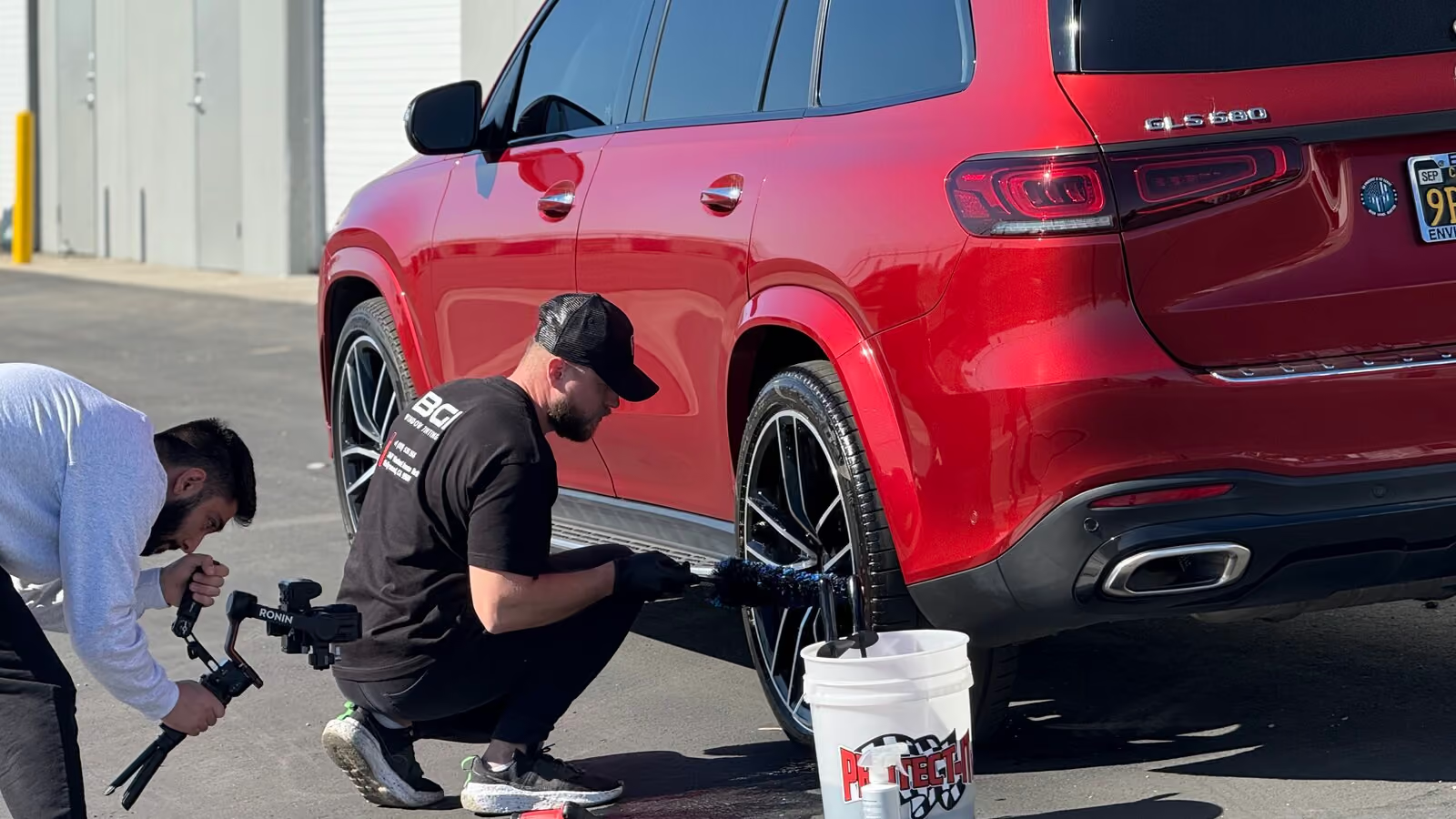
Yes — wheels, glass, trim, and even matte paint can all be coated, each with the right formulation. Here's what it does.

For most daily drivers, yes — less washing, years of gloss, and UV/grime protection. The one limit: it won't stop rock chips.
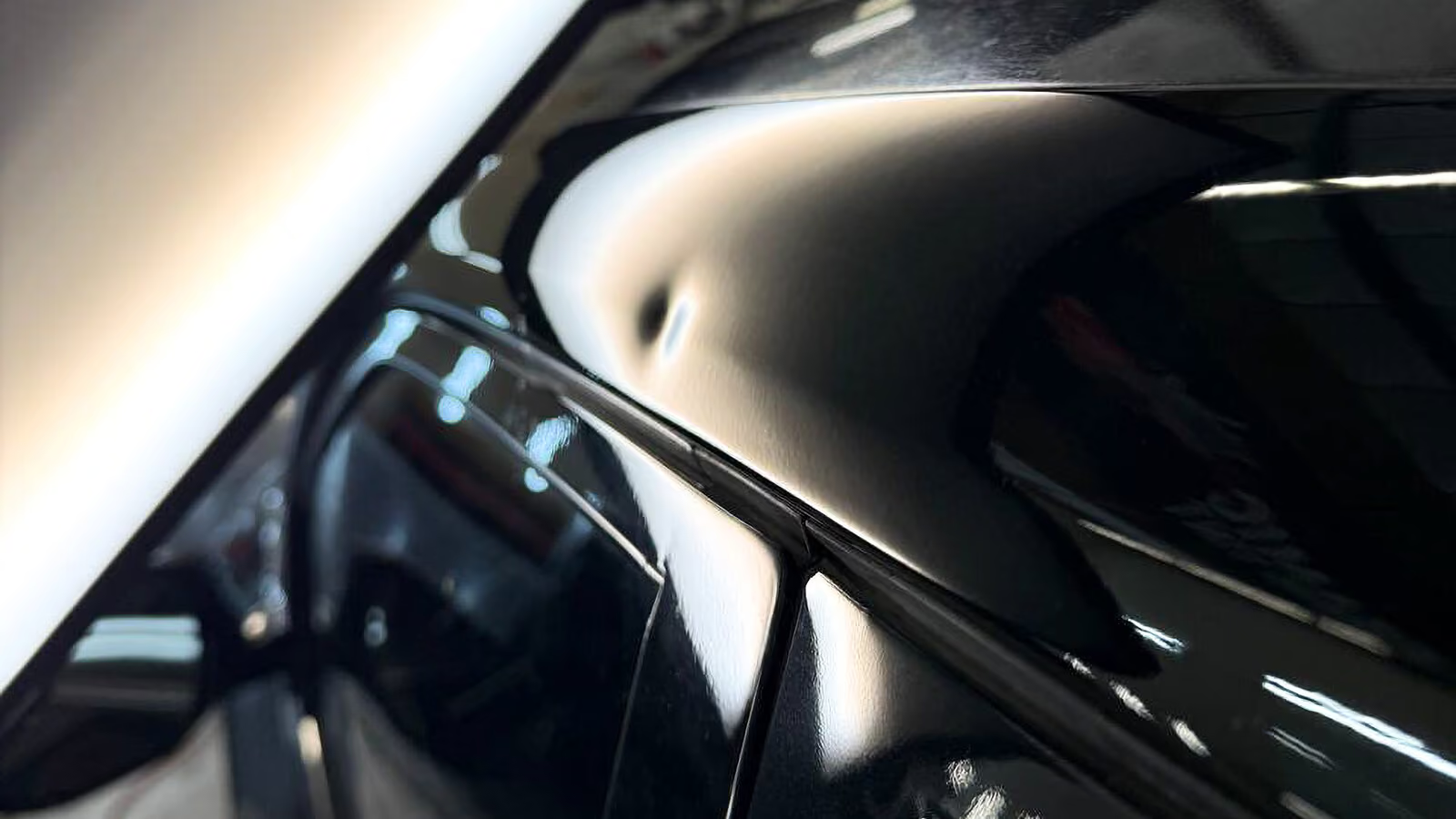
It resists light swirls — but it won't stop rock chips or key scratches. What '9H' really means, and when you need PPF.
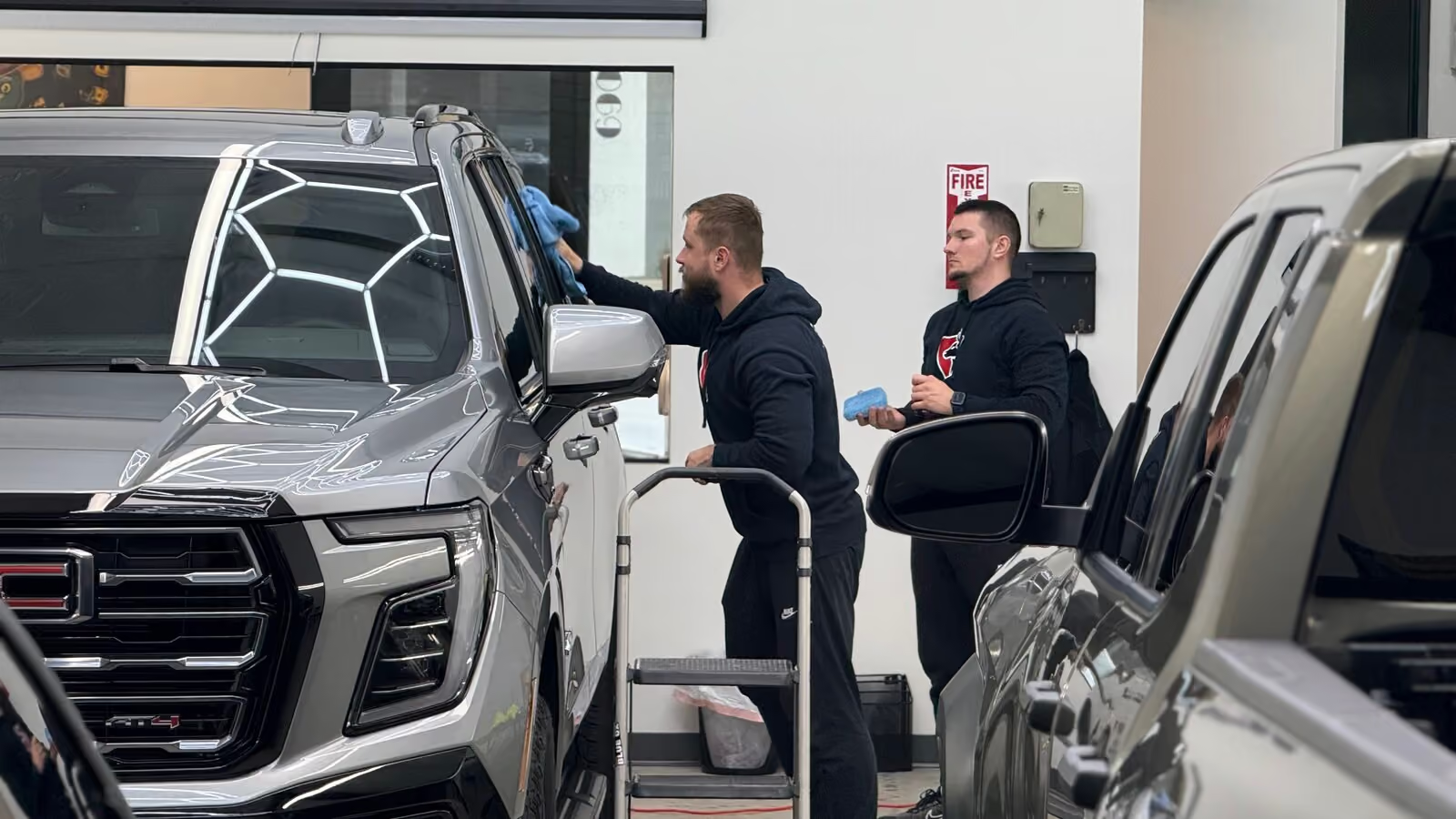
DIY is cheap but thin and short-lived; professional includes the prep that makes a coating actually last. The gap is prep.
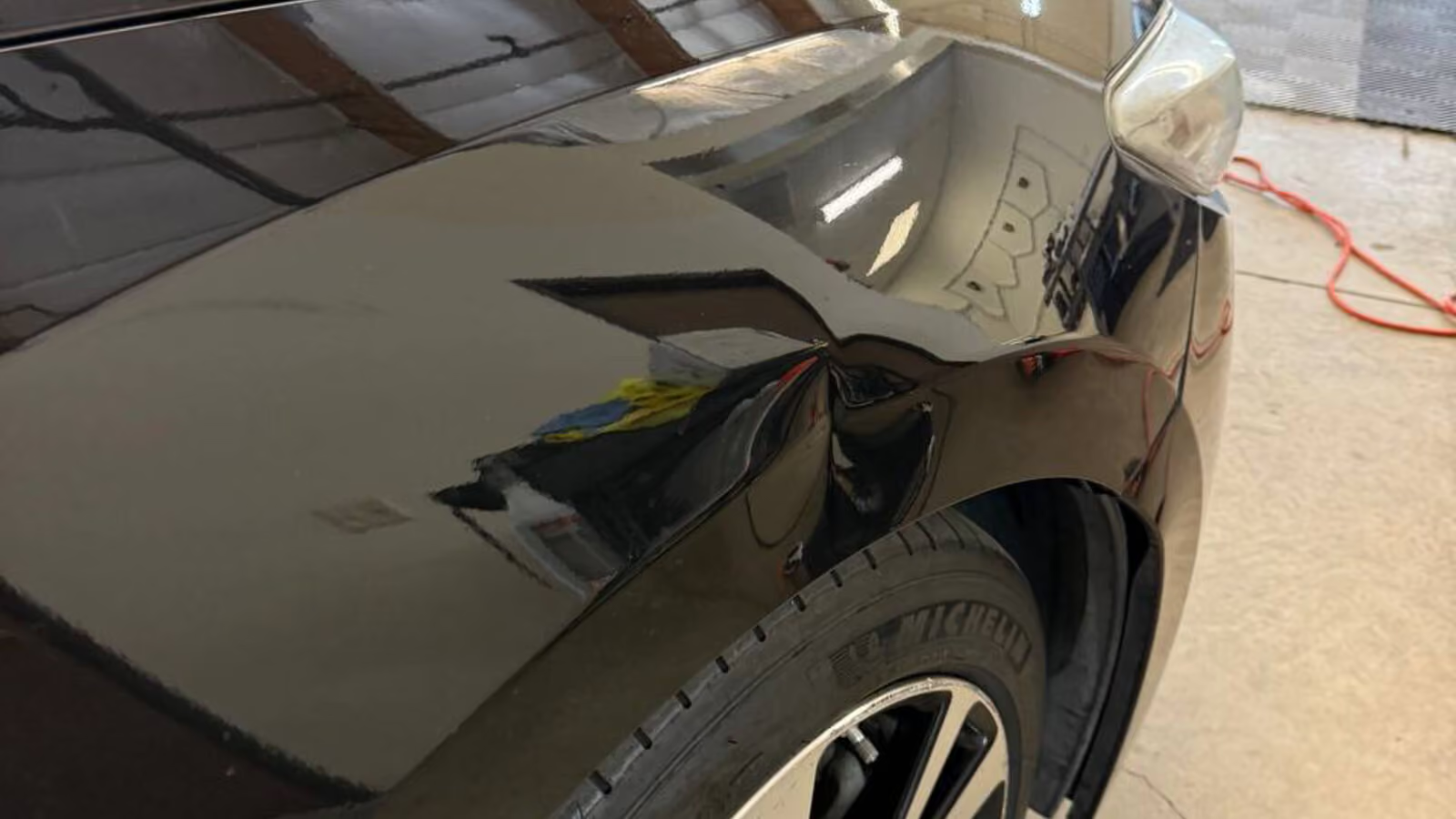
Graphene coating is ceramic with graphene oxide added. The claimed perks are real but modest — here's the honest comparison.

Professional ceramic runs $600–$3,000 by vehicle; correction adds more. BGI Sacramento starts at $699 with a 5-year warranty.
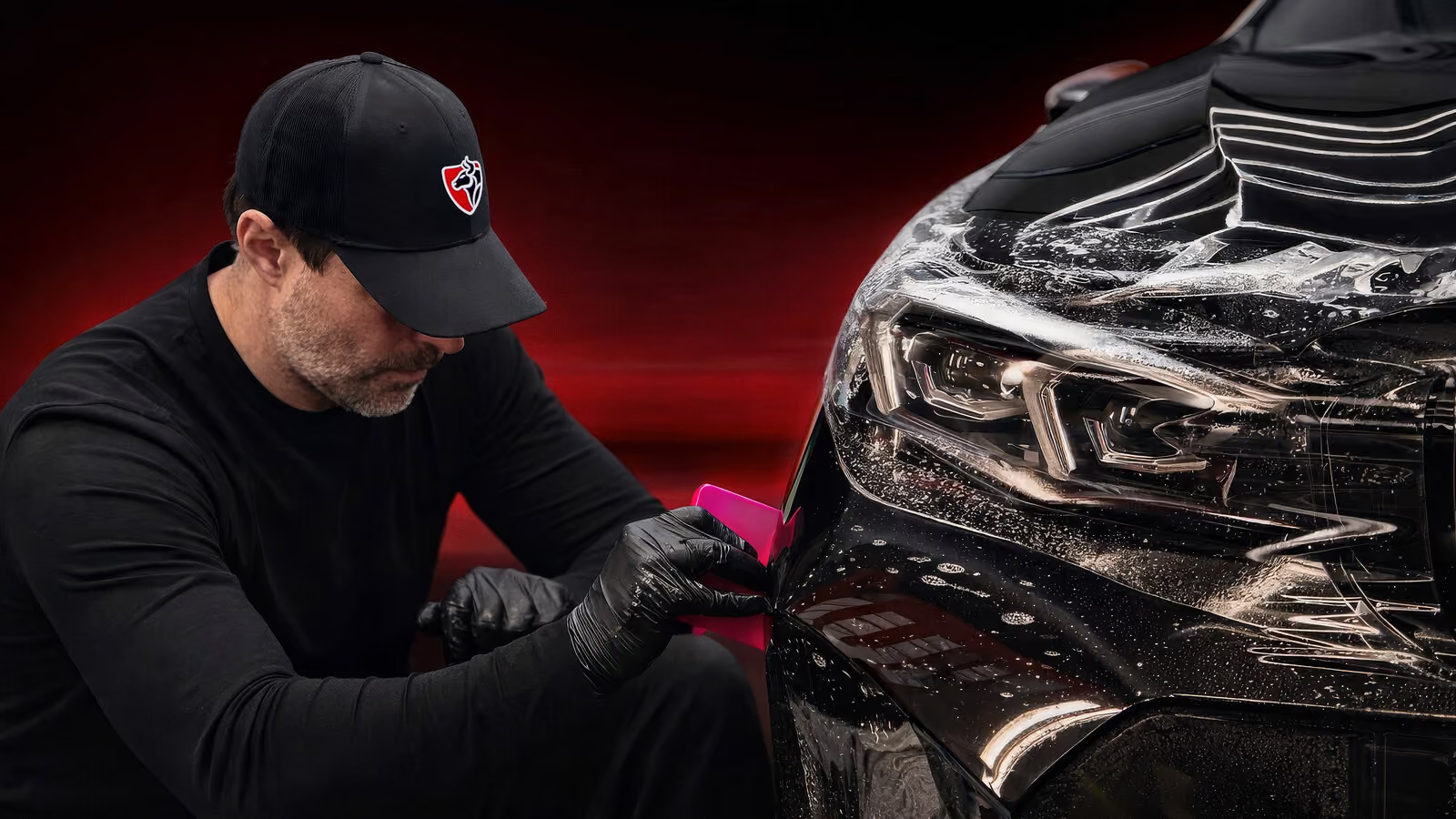
The 'best' coating depends on pro vs DIY — but prep and application matter more than the brand on the bottle.

DIY coatings last months; professional coatings 2–5 years; premium systems 5–8+. What decides where you land.
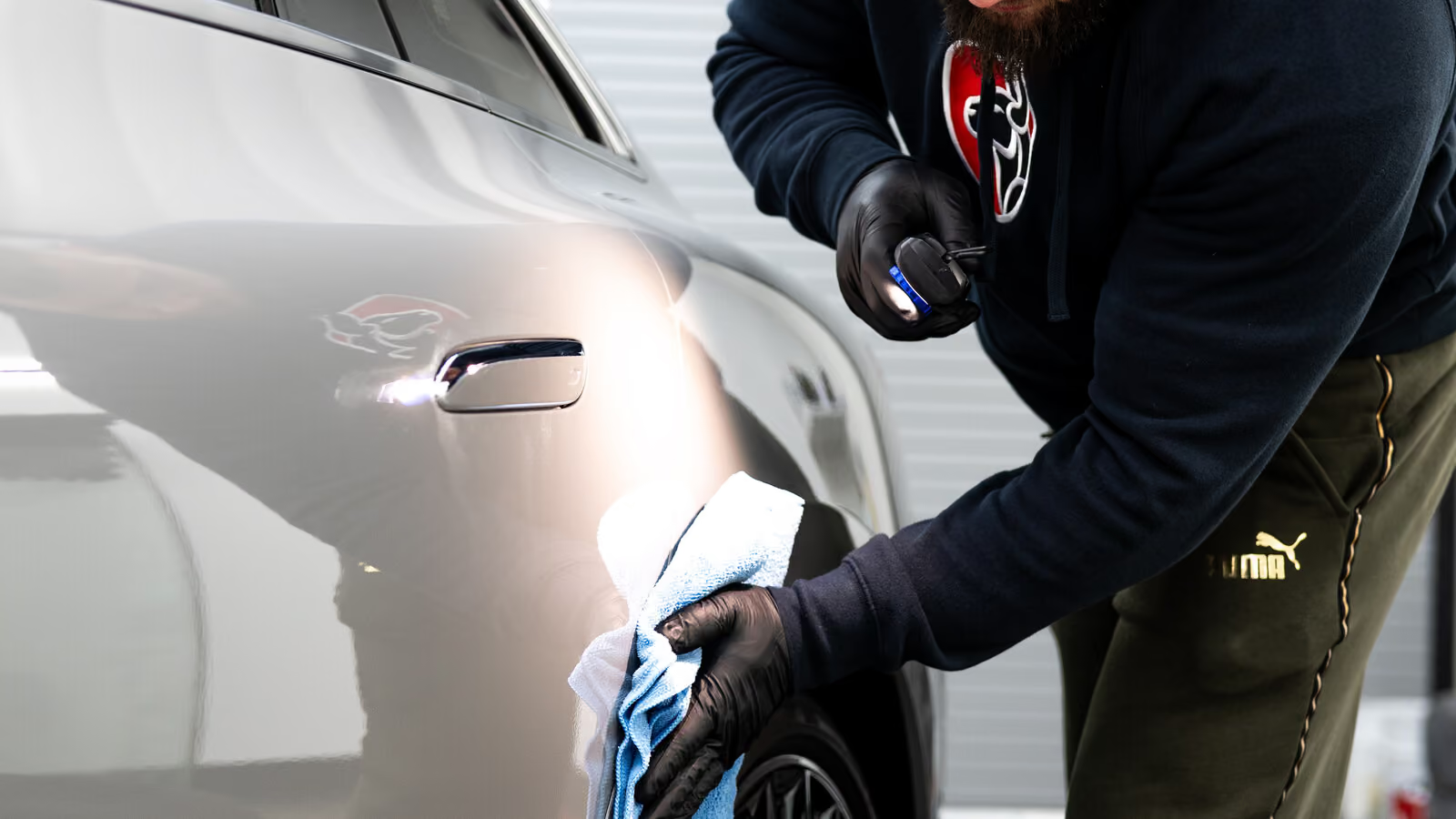
Wash routine, products to avoid, and boost sprays — how to keep a ceramic coating beading and glossy for years.

Ceramic coating lasts years and bonds to your paint; wax lasts weeks and sits on top. Here's the real comparison.

Often yes — if the paint is sound and you'll keep the car. Why prep matters more on a used car, and the cost math.
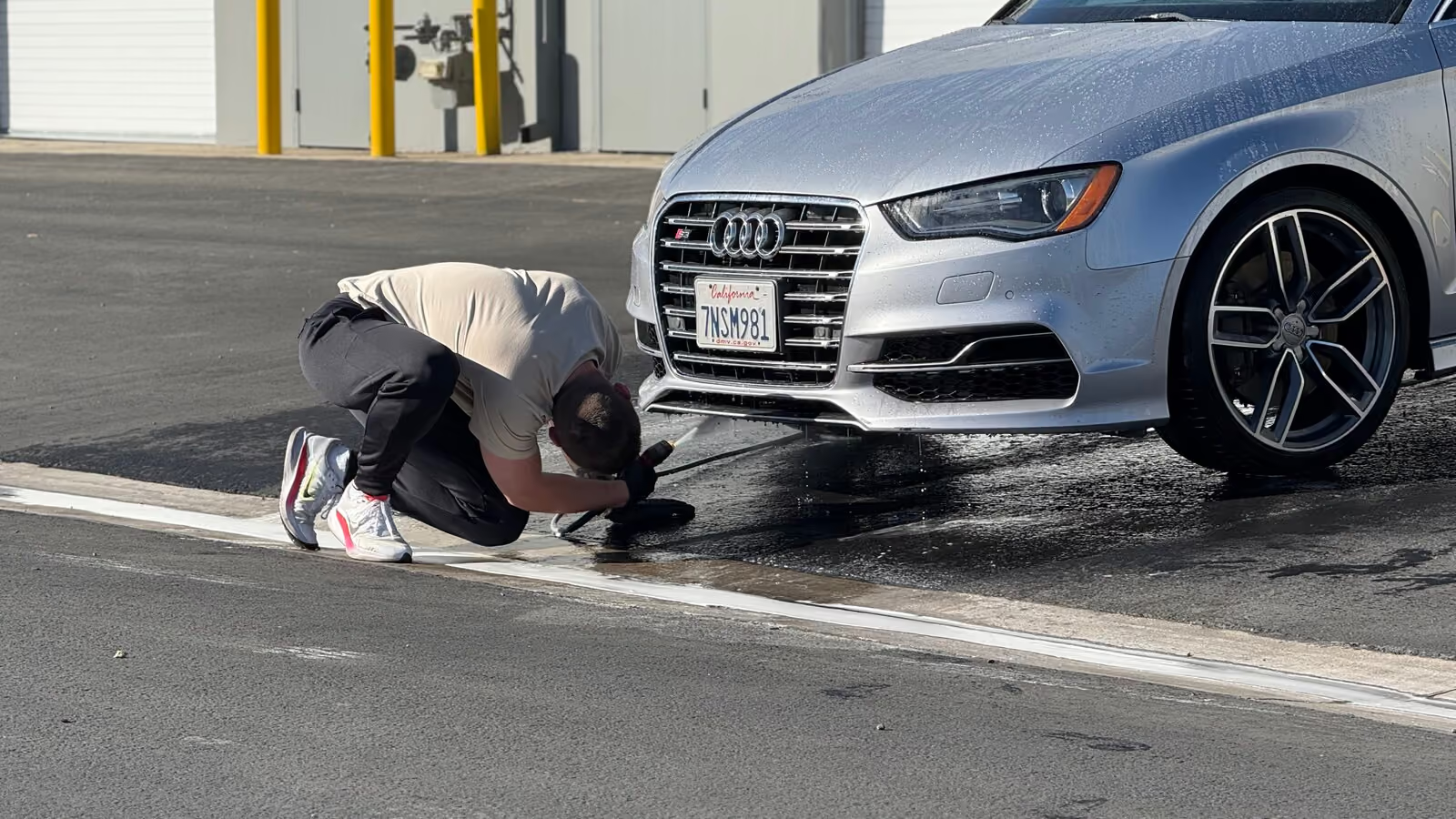
The 'chip kit' runs $600–$1,500 and protects the hood edge, bumper, and mirrors — the budget entry point to PPF.
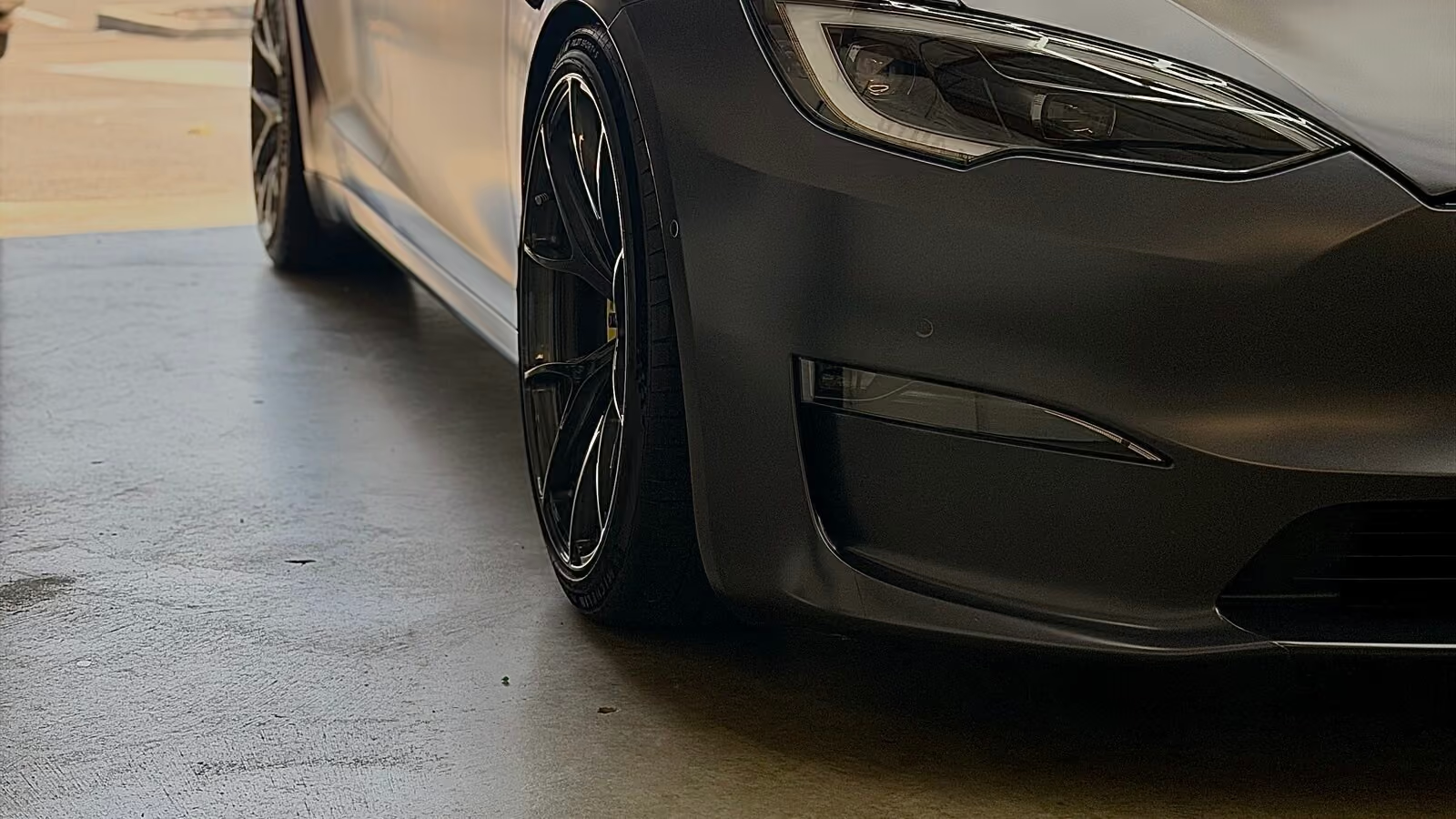
Matte PPF turns glossy paint stealth while protecting it — for about 10–25% more than gloss film. And it's not the same as a wrap.

Tesla PPF runs $1,800–$3,500 full front and $5,000+ full car. Why Tesla's soft paint makes film especially worth it.

No — quality PPF protects paint and removes cleanly. How removal works, and the only times it can go wrong.

Quality PPF lasts 5–10 years and premium film over a decade. Why TPU film resists yellowing — and what shortens its life.

XPEL, STEK, and 3M are all premium self-healing films with 10–12-year warranties. The differences are smaller than you'd think.
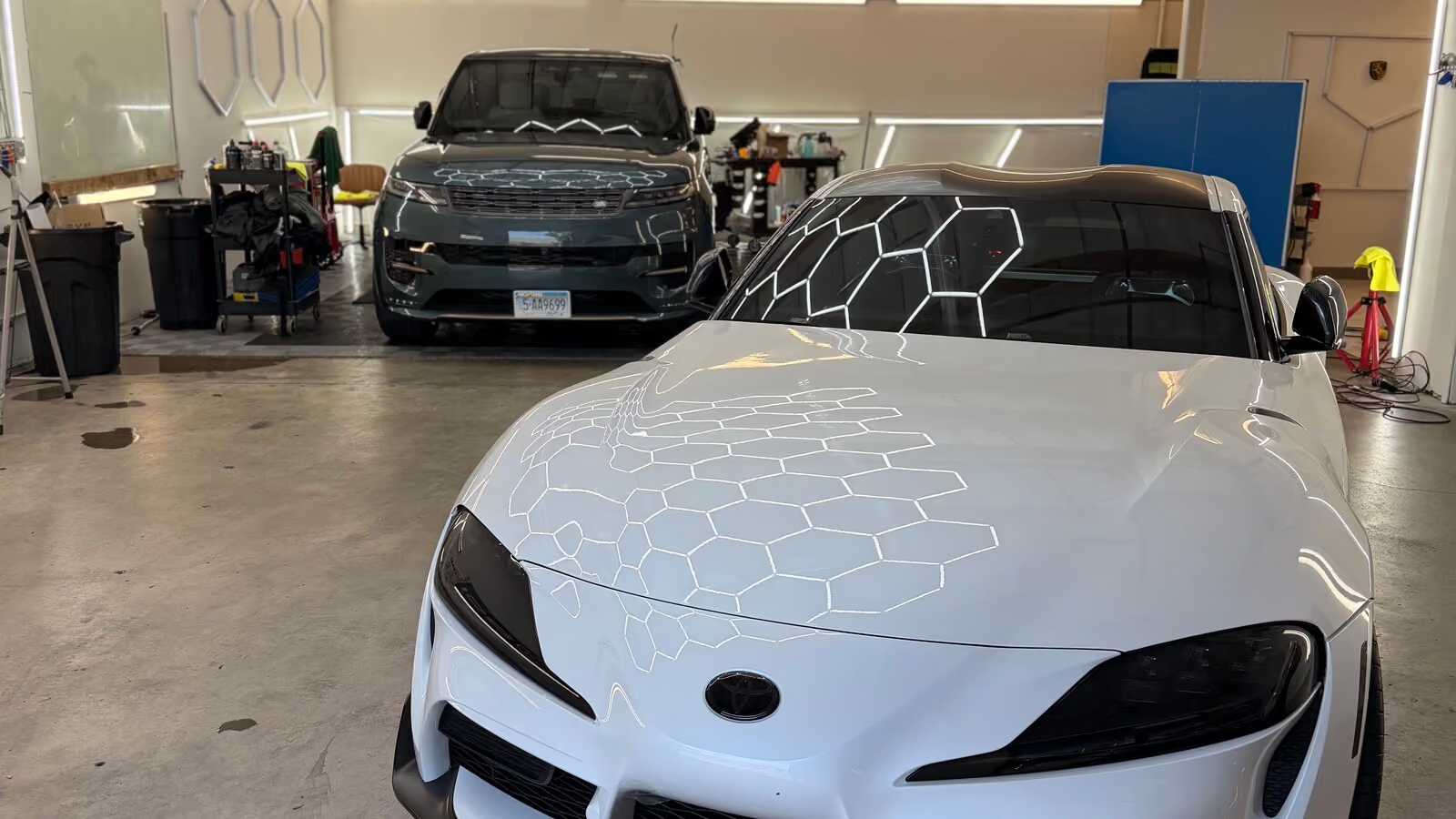
Full-front PPF covers where 90% of chips land for $1,500–$3,500; full-car wraps everything for $4,000+. Here's how to choose.

Got a California tint fix-it ticket? Here's the step-by-step to correct the tint, get a Certificate of Correction, and get it dismissed.

Which window tint percentages are legal in California? 70% is the front-window minimum; back windows can be any darkness. Every % explained.

What's legal on a California windshield: a clear non-reflective strip across the top, clear UV film on the full glass — and what's not.

How dark can you legally tint in California? Front windows are capped at 70% VLT, but back and rear windows have no limit — here's the breakdown.
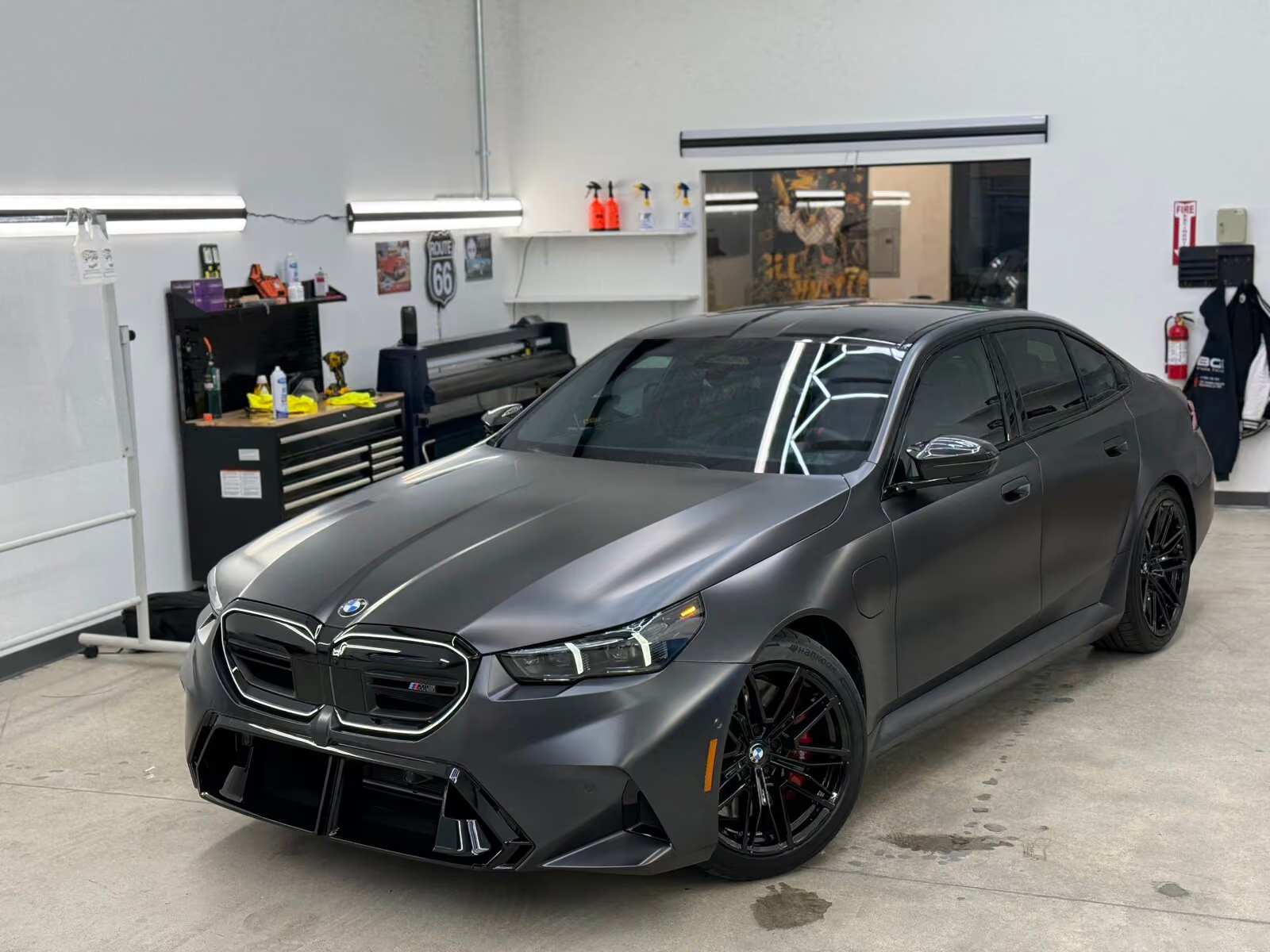
A California window tint ticket carries a base fine around $25, but fees can push it to about $197. Here's what it costs and how to clear it.

How to get a medical window tint exemption in California: who qualifies, the doctor's letter you need, and what it does and doesn't allow.

Yes — ceramic tint is legal in California as long as it meets the same VLT limits as any film. Here's the 70% front-window rule and how to stay ticket-free.
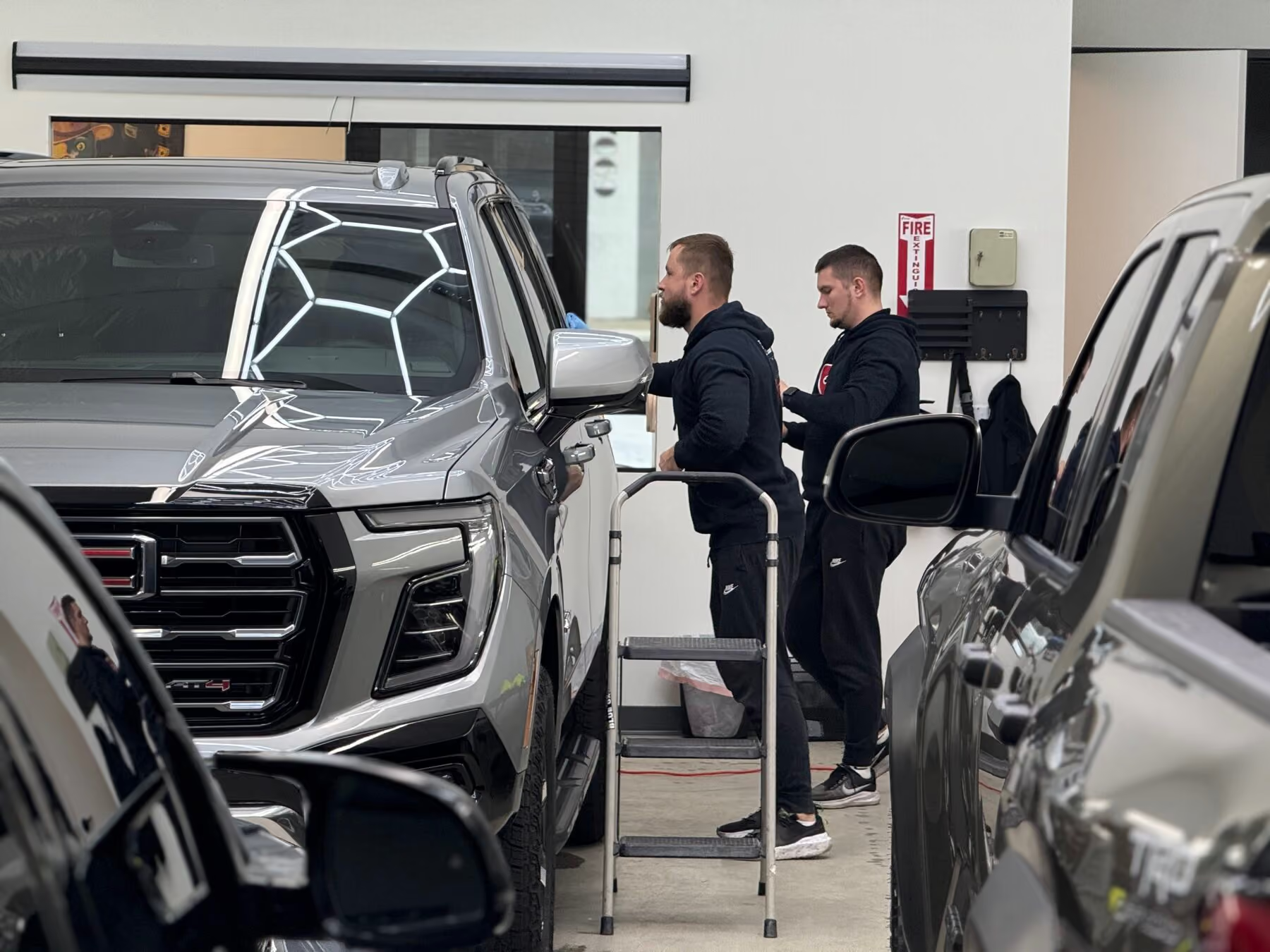
Ceramic vs regular window tint compared — heat rejection, UV, signal, fade, and cost — plus whether ceramic is worth the upgrade.

What paint protection film really costs in 2026 — by coverage area and vehicle — plus whether PPF is worth it and where BGI's pricing fits.

California’s window tint limits explained for 2026 — legal VLT %, the windshield rule, tickets, and medical exemptions.

PPF stops rock chips and self-heals; ceramic adds gloss and easy cleaning. Here's how they compare on protection, cost, and longevity.