

.svg)
Full Front vs
Full Car PPF
Full-front PPF covers where 90% of chips land for $1,500–$3,500; full-car wraps everything for $4,000+. Here's how to choose.
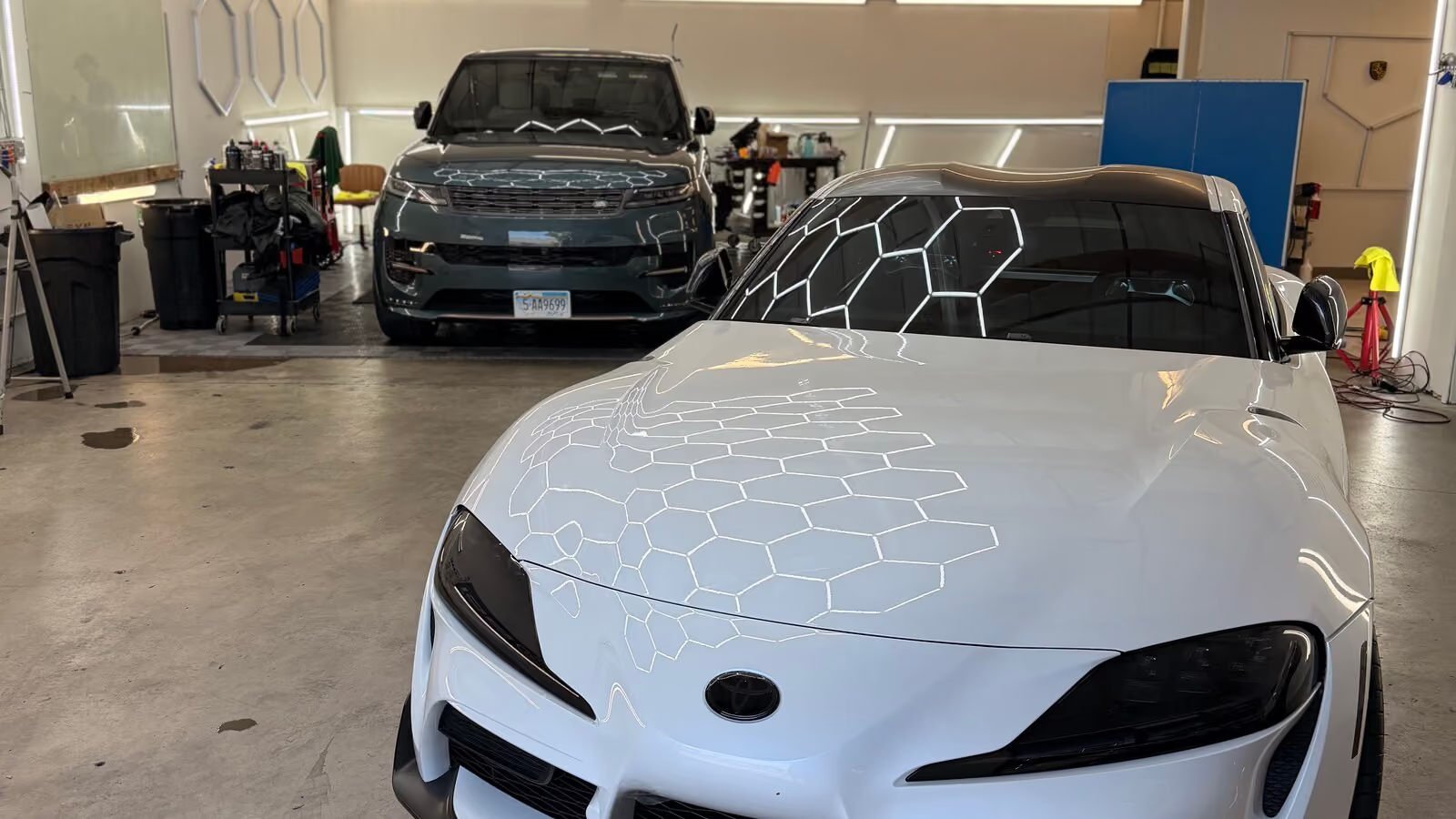
Quick answer: Full-front PPF (hood, fenders, bumper, mirrors, headlights) runs about $1,500–$3,500 and protects the panels that take roughly 90% of road damage. Full-car PPF wraps every painted panel for about $4,000–$8,000+. For most daily drivers, full front is the value pick; full car suits exotics, collectibles, and leased cars. BGI Tint's full-front package is $1,899 with free ceramic.
Full front vs full car: what each covers
You don't have to wrap the whole car. The biggest decision in PPF is how much to cover — and that single choice drives most of the price. Here's how the coverage tiers compare:
| Coverage | What it protects | Typical U.S. price (2026) | Best for |
|---|---|---|---|
| Partial front ("chip kit") | Hood leading edge, bumper, mirrors | $600–$1,500 | Budget chip protection |
| Full front | Full hood, fenders, bumper, mirrors, headlights | $1,500–$3,500 | Daily drivers (the sweet spot) |
| Track pack | Full front + rockers, A-pillars, roof edge | $2,000–$3,500 | Highway/track miles |
| Full vehicle | Every painted panel | $4,000–$8,000+ | Exotics, leases, collectibles |
| Full vehicle + ceramic | Full wrap plus ceramic over the film | $6,000–$10,000+ | Maximum protection + gloss |
Source: verified 2026 U.S. ranges — see the full how much does PPF cost guide for the complete breakdown.
Which one should you get?
Full front is the most popular package for a reason: the front end is where almost all rock chips, bug splatter, and road rash land. Wrapping the entire hood and fenders (not just the leading edge) means no mid-hood seam and no unprotected gap. For a car you drive every day, it's the best balance of coverage and cost.
Full car earns its keep when the paint itself is the investment — exotics and collectibles, a leased car you want spotless at turn-in, or any vehicle you plan to keep long-term and sell with original, chip-free paint. It's also the move if you simply want zero exposed paint anywhere.
Vehicle size moves the number
Within any tier, a compact sedan sits at the low end while large SUVs, trucks, and exotics cost more — more panels, more square footage, and trickier curves all add film and labor. A great pairing on either package: a ceramic coating over the PPF for gloss and easy cleaning. See PPF vs ceramic coating to understand how the two work together.
Frequently Asked Questions
What's the difference between full front and full car PPF?
Full-front PPF wraps the panels that take the most road damage — the entire hood, both fenders, the front bumper, mirrors, and usually the headlights. Full-car (full-vehicle) PPF wraps every painted panel, including doors, roof, pillars, and the rear. Full front protects ~90% of where chips happen; full car protects everything.
How much does full front PPF cost?
Full-front paint protection film typically runs $1,500–$3,500 in the U.S., depending on film brand and vehicle size. BGI Tint's full-front package is $1,899 and includes a free ceramic coating.
How much does full car PPF cost?
Full-vehicle PPF generally runs $4,000–$8,000+, and $6,000–$10,000+ with a ceramic coating over the film. Large SUVs, trucks, and exotics sit at the higher end because they have more square footage and more complex curves.
Is full car PPF worth it over full front?
For a daily driver, full front is usually the smart value — it covers where nearly all chips land. Full car makes sense for exotics, collectibles, leased cars you want flawless at turn-in, and anyone who wants zero exposed paint.
Does full front PPF leave a visible line?
No. Full front wraps entire panels, so the film edges tuck along natural body lines and panel gaps — there's no mid-hood seam like a partial 'chip kit' can leave.
Can I start with full front and add more later?
Yes. PPF is modular — many drivers start with full front, then add rocker panels, A-pillars, or the rest of the car later. Just keep the film the same brand and finish for a consistent look.
Protect your paint at BGI Tint in Sacramento
At BGI Tint, our most popular package is full-front PPF for $1,899 — with a free ceramic coating. We're an authorized STEK dealer (with Rayno and Carlas options), every install is backed by a 12-year film warranty against yellowing, cracking, and peeling, and our self-healing film is wrapped edge-to-edge in a clean, controlled bay. Same-day appointments, free quotes, and service across Sacramento, Placer, and El Dorado counties.
- Call: (916) 460-9257
- Book: paint protection film — full-front PPF from $1,899
Written by BGI Tint • Reviewed by Vadym Bugai, owner & lead installer.
Pricing note — accurate as of 2026: Dollar figures are U.S. market estimates and vary by vehicle, film brand, and coverage. BGI Tint's listed pricing is current promotional pricing — confirm your exact quote before booking.
Related guides
- The full how much does PPF cost guide — every coverage tier and price (the pillar)
- Partial front PPF cost — the budget entry point
- Is PPF worth it on a used car?
Sources
- Aaron's Automotive Detailing — PPF cost guide (2026) — aaronsautomotivedetailing.com
- Xtreme Detailing — paint protection film cost — xtremedetailingusa.com
Security film can delay entry and increase the effort or noise required, but it cannot guarantee that a determined intruder will never create an opening.
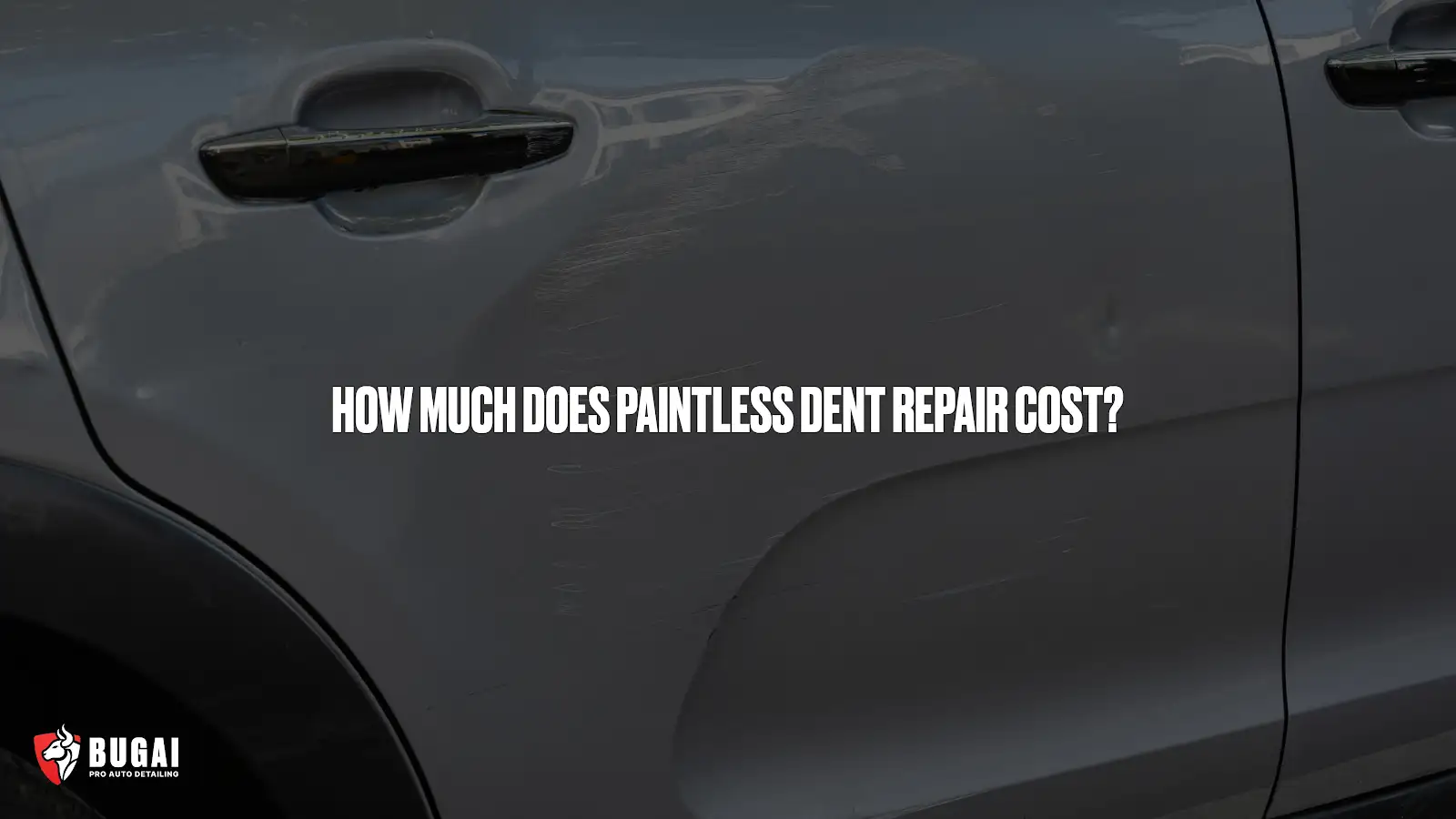
A written inspection-based estimate is more reliable than a single advertised average.
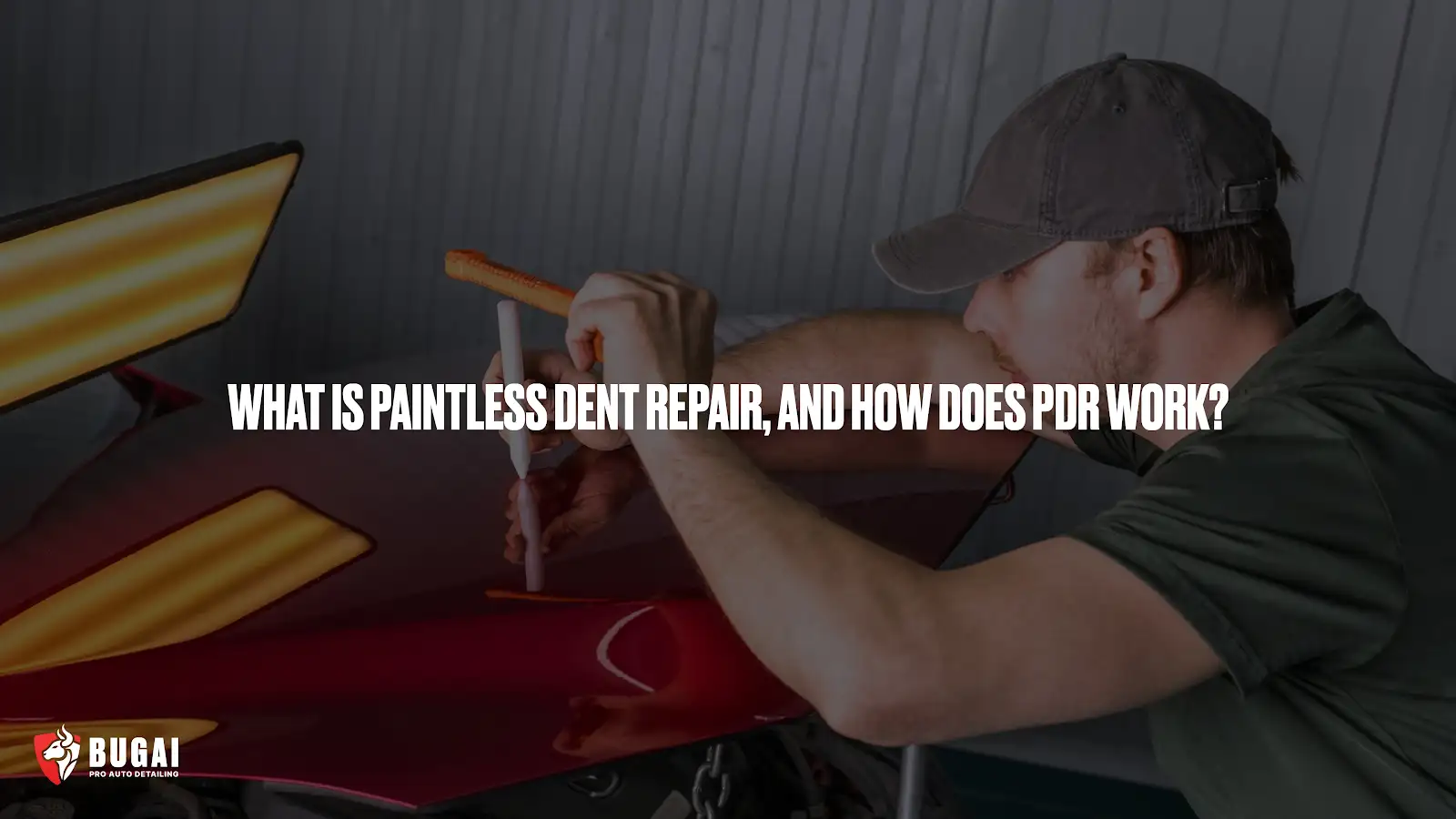
Paintless dent repair, or PDR, is a method of reshaping a dented metal panel without conventional body filler and repainting when the existing finish remains suitable.


