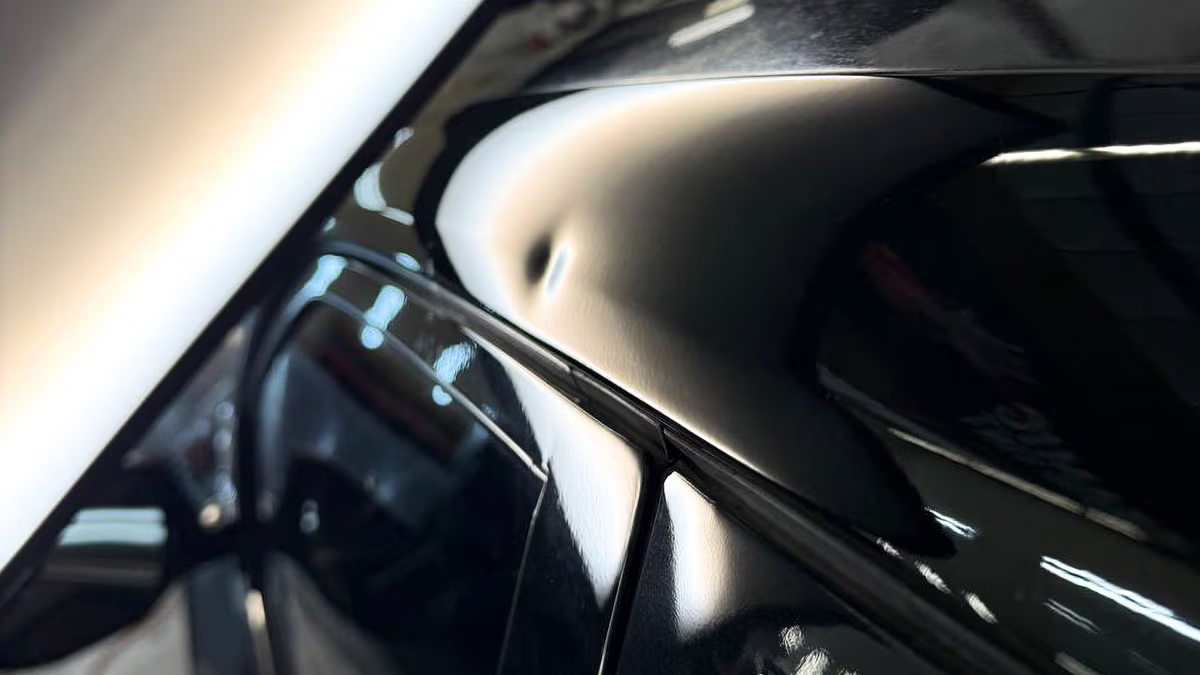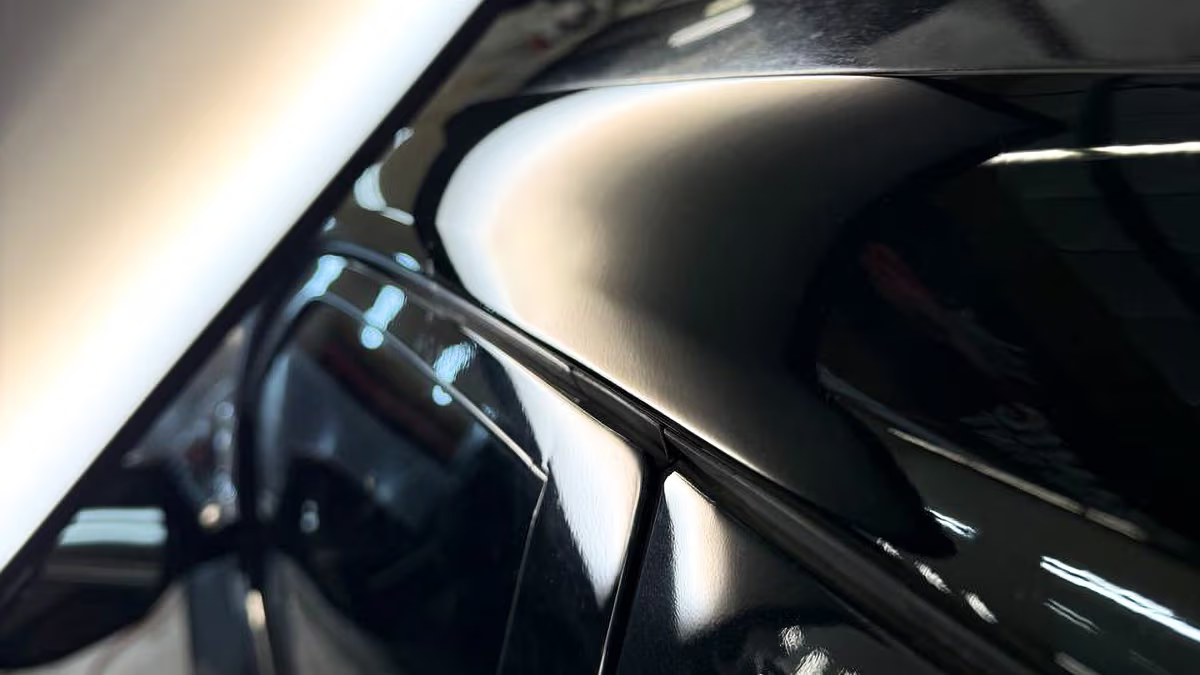
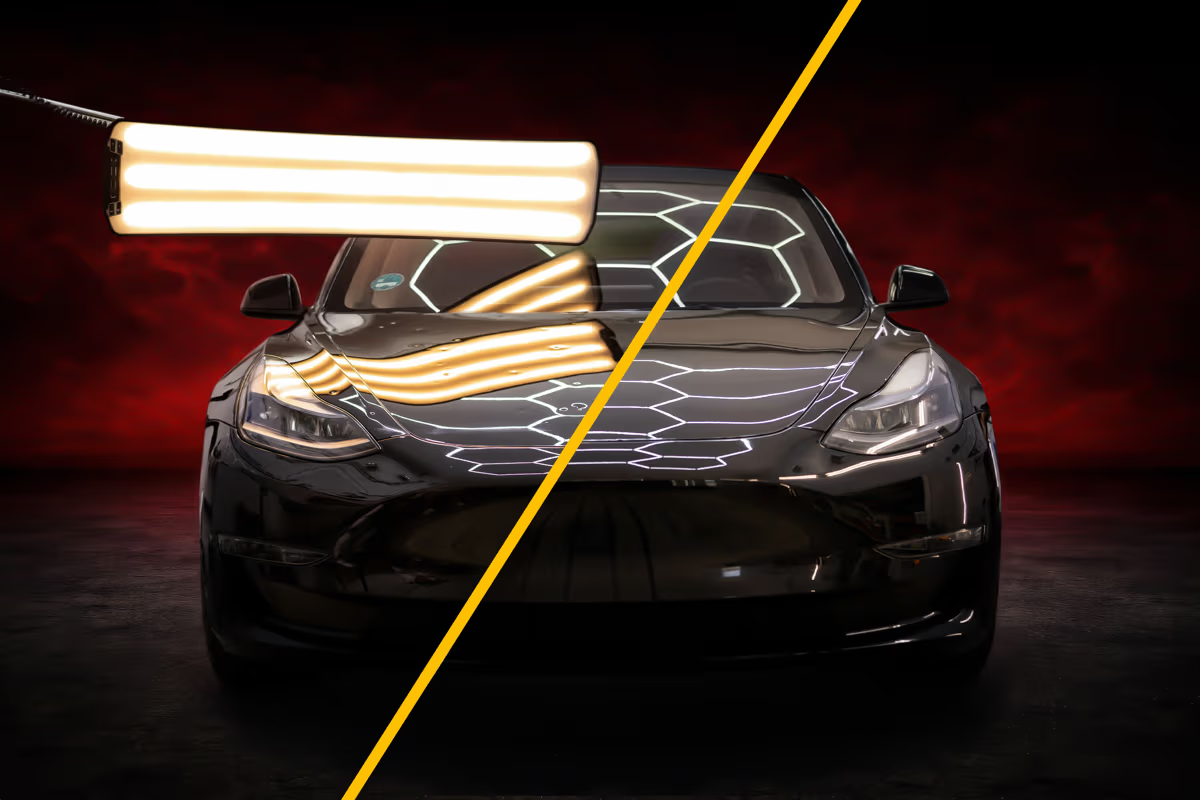
Paintless Dent Repair is a specialized technique used to remove minor dents, dings, and hail damage without the need for repainting or body filler. By carefully massaging the metal back into its original shape, PDR preserves your vehicle’s factory paint while restoring a smooth, flawless finish.
BGI Tint’s PDR process is ideal for door dings, parking lot damage, and small dents where the paint surface remains intact. This method is faster, more affordable, and maintains your vehicle’s value compared to traditional body repair.
We inspect dents and determine if paintless repair is suitable.
Panels are carefully accessed without damaging paint or trim.
Special tools massage the metal back to its original shape.
Fine adjustments ensure a smooth, factory-like finish.
The repaired area is inspected under proper lighting.
The vehicle is presented and results are reviewed with the customer.
No. Paintless Dent Repair is specifically designed to preserve your vehicle’s original factory paint. As long as the paint is not cracked or chipped, PDR safely restores the metal from behind the panel without sanding, fillers, or repainting. This helps maintain your vehicle’s value and factory finish.
Most paintless dent repairs can be completed in as little as 30 minutes to a few hours, depending on the size, depth, and location of the dent. More extensive damage, such as hail repair affecting multiple panels, may take longer. We’ll always provide a clear time estimate after inspection.
Yes. PDR is one of the most effective methods for repairing hail damage when the paint remains intact. It can restore multiple dents across panels without repainting, making it a preferred solution for both insurance claims and out-of-pocket repairs.
The cost of PDR depends on several factors, including the size of the dent, its location, accessibility, and the number of dents involved. Small door dings may cost significantly less than traditional body repair, while larger or multiple dents require a custom estimate. We offer free inspections to provide accurate pricing.
Paintless dent repair, often called PDR, is a method of reshaping minor dents without repainting the panel when the paint is still intact. Instead of filling, sanding, and refinishing the damaged area, a technician uses specialized tools and lighting to carefully move the metal closer to its original shape. The main benefit is preserving the factory paint whenever the dent and panel condition allow it.
PDR is commonly used for door dings, small dents, hail dents, and minor panel imperfections. It is not the right answer for every type of damage. If the paint is cracked, the metal is sharply creased, or the panel is severely stretched, traditional repair may be needed. But when the dent is a good candidate, PDR can be a cleaner and more efficient option.
Car dent repair is useful for drivers with door dings, parking lot dents, small body panel damage, hail dents, and minor imperfections that make a vehicle look neglected. Even a small dent can be frustrating when the rest of the car is clean and well cared for. It can also affect how the vehicle presents during sale, trade-in, or lease return.
Daily drivers often need dent repair after normal parking lot use. Owners of newer, luxury, or carefully maintained vehicles may want dents addressed sooner because they stand out more on a clean finish. Hail damage is another common reason to ask about paintless dent repair, especially when there are many small dents across panels
Auto dent repair service solves visible body panel imperfections that make a vehicle look damaged or poorly maintained. Small dents, door dings, hail marks, and minor panel damage can distract from the overall appearance of the car. When left alone, they may also hurt resale presentation because buyers notice exterior flaws quickly.
Paintless dent repair can be especially useful when the paint is still intact and the damage is accessible. It helps improve the panel’s shape without jumping straight to repainting. From a practical angle, this can preserve the original finish and avoid unnecessary refinishing when the damage is a good PDR candidate. From a resale angle, a cleaner exterior usually creates a better first impression.
Dent repair is a broad term that can include traditional body repair, filling, sanding, repainting, panel replacement, or paintless dent repair. Paintless dent repair is more specific: it focuses on reshaping the dent while preserving the existing paint. The right method depends on paint condition, dent depth, panel access, and whether the metal can be worked back cleanly.
Auto dent removal depends on dent location, panel access, paint condition, and dent depth. A shallow door ding on an accessible panel is very different from a sharp dent near an edge or body line. Paint condition matters because PDR is most appropriate when the paint has not cracked or failed.
Realistic expectations are important. Some dents can be improved dramatically, while others may not disappear completely because of stretching, sharp impact, or limited access behind the panel. Photos can help with an initial estimate, but in-person inspection often gives a clearer answer. The best repair plan starts with understanding what the dent will allow.
A PDR shop is the better choice when the vehicle has small dents, door dings, hail dents, or minor panel damage with intact paint. Paintless dent repair requires specific tools, lighting, hand control, and experience. It is not just pushing from behind the panel; it is controlled metal movement.
Specialized PDR technique matters because the goal is a clean finish without repainting. Done poorly, dent work can leave high spots, low spots, tool marks, or uneven reflections. A careful PDR process helps preserve the original paint and improve the panel shape while avoiding unnecessary refinishing when it is not needed.
Before ordering local paintless dent repair, look at the dent size, dent depth, paint condition, panel material, and where the dent sits on the vehicle. Dents near edges, braces, or sharp body lines can be more difficult. Aluminum panels, tight access areas, and multiple dents may also change the estimate.
Photos are helpful for starting the quote, especially if they show the dent from several angles and include reflections. Local shop reviews matter too because PDR is technique-sensitive. A 4.9 Google rating with 360 reviews gives customers a useful signal when considering BGI Pro Auto Detailing for Sacramento-area dent repair. Still, the final recommendation should be based on the actual dent and what the inspection shows.
Paintless car dent repair service usually follows a careful inspection and repair process. The technician needs to understand the dent before choosing the right access point and tool approach. The goal is controlled reshaping, not rushed force.
Start by sending clear photos of the dent if possible. Take pictures from multiple angles and include a wider shot so the shop can identify the panel and dent location. Also mention whether the paint is cracked, whether the dent came from hail, a door ding, a parking lot hit, or another impact.
After that, request a quote and ask whether the dent may be a candidate for paintless dent repair. Some dents can be estimated from photos, while others need in-person inspection. BGI Pro Auto Detailing offers paintless dent restoration, so Sacramento-area customers can begin with photos, vehicle details, and a short description before scheduling a visit.
Dent removal pricing depends on the dent itself and the complexity of reaching and reshaping it. A single shallow door ding is usually different from multiple hail dents across several panels. The location of the dent can also affect the work because some areas are easier to access than others.
Hail dent removal can often be done without repainting when the paint is intact and the dents are good candidates for PDR. Hail commonly creates many small dents across hoods, roofs, trunks, and upper panels. If the paint did not crack and the metal can be accessed and reshaped, paintless dent repair may be the preferred option.
But hail damage is not always simple. Severe dents, cracked paint, damaged trim, broken parts, or stretched metal may require a different repair approach. The best way to know is to inspect the vehicle under proper lighting and evaluate the number, depth, and location of the dents. PDR can be excellent for hail, but it still depends on the actual damage.
The professional PDR process starts with inspection under controlled lighting. Lighting helps reveal the dent’s shape, depth, and distortion in the panel reflection. The technician then decides how to access the dent and which tools or techniques make sense.
During repair, the metal is moved gradually and carefully. The technician checks the panel repeatedly to avoid overworking the area or creating high spots. Once the dent is improved, the panel is reviewed again from different angles. The final finish review helps confirm whether the repair meets realistic expectations for that specific dent.
BGI Pro Auto Detailing offers paintless dent restoration for Sacramento-area drivers dealing with door dings, small dents, hail marks, and minor panel imperfections. The shop displays a 4.9 Google rating with 360 reviews, which helps customers evaluate the business before requesting an estimate. Its North Highlands location is also convenient for many drivers traveling from Sacramento, Roseville, Citrus Heights, and nearby communities.
A free quote makes it easier to start with the right question: can this dent be repaired with PDR, or does it need another approach? Customers can share photos, describe the dent, and schedule an inspection when needed. That first review matters because paintless dent repair is most successful when the damage is matched to the right method.