Window Tint Cost in
Sacramento
What window tinting really costs in Sacramento in 2026 — by film type, number of windows, and vehicle — plus how to avoid overpaying.

Quick answer: How much does window tint cost? In 2026, professional car window tinting runs about $150–$900 for a full vehicle, depending mostly on the film type: dyed is cheapest, carbon is mid-range, and ceramic is the premium pick. In Sacramento, window tint cost at BGI Tint starts at $299 with a lifetime warranty.
Below you'll find verified 2026 U.S. price ranges by film type, by how many windows you tint, and by vehicle, plus how California's tint law affects what you can legally install — and where BGI Tint's Sacramento pricing fits in.
How Much Does Window Tinting Cost?
The honest answer is that window tint cost depends on three things: the film type, how many windows you cover, and the size and shape of your vehicle. Across the U.S. in 2026, a professional full-car install typically lands between $150 and $900, with the film type alone driving roughly 60–70% of the total (Xtreme Detailing, Glass & Auto).
Here's the quick mental model:
- Budget (dyed film): ~$150–$250 for a full car
- Mid-range (carbon film): ~$250–$450
- Premium (ceramic film): ~$400–$800+
Just want the two front windows to match your factory rear tint? That's a much smaller job — often $50–$150. We'll break all of this down below, then show exactly where BGI Tint's Sacramento pricing fits.
A quick note on numbers: the ranges in this guide are verified U.S. market averages from independent 2026 sources. BGI Tint's actual Sacramento pricing is listed separately and clearly labeled near the end.
Window Tint Cost by Film Type
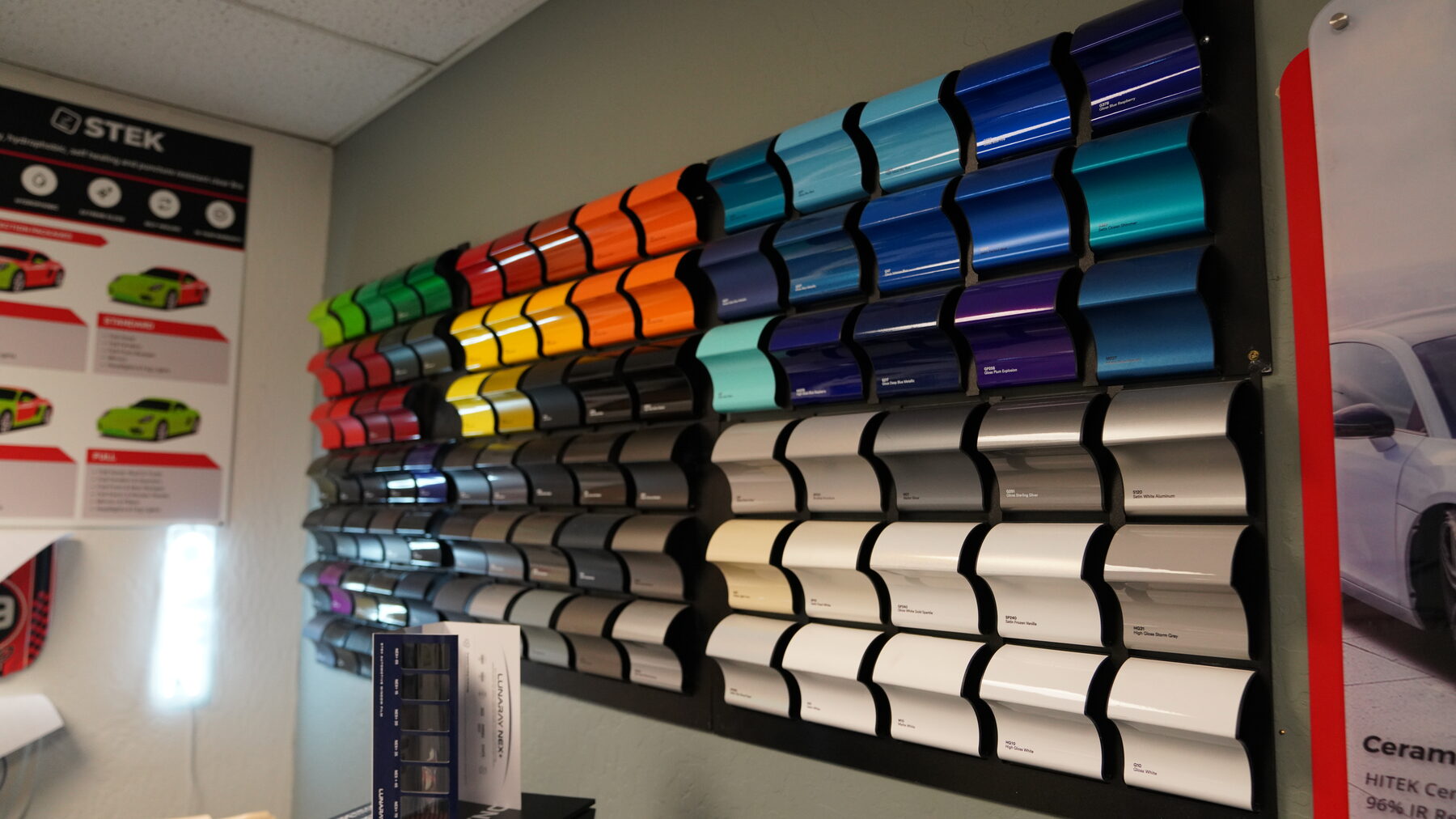
Film type is the single biggest lever on price — and on how well the tint performs and how long it lasts. Here's how the four main types compare:
| Film type | Typical U.S. price (full car) | Heat rejection | Lifespan | Pros | Cons |
|---|---|---|---|---|---|
| Dyed | $150–$250 | Low | 2–5 years | Cheapest; darkens glass; reduces glare | Fades to purple; weak heat/UV control |
| Metalized | $200–$400 | Good | 5–10 years | Strong heat rejection; durable; scratch-resistant | Metal layer can interfere with GPS, cell, and radio signals |
| Carbon | $250–$450 | Better | 7–10 years | Matte, non-reflective look; won't fade; no signal interference | More than dyed; less heat rejection than ceramic |
| Ceramic | $400–$800+ | Best (up to ~98% IR at the top tier) | 10–20+ years | Maximum heat + UV rejection; stays clear; no signal interference; longest life | Highest upfront cost |
Sources: Xtreme Detailing, Glass & Auto, TintLaws film comparison.
The short version: dyed is the cheapest way to darken your windows but fades fastest. Carbon is the value sweet spot — a clean matte look that won't turn purple. Ceramic costs the most up front but rejects the most heat, blocks the most UV, and lasts the longest, which is why it's the most popular choice for daily-driven cars in hot climates like Sacramento's.
Cost by How Many Windows
You don't have to tint the whole car. Pricing scales with how much glass you cover:
| Coverage | Typical U.S. price range | Notes |
|---|---|---|
| Two front windows | $50–$150 (pair) | Most common add-on — matches factory rear tint |
| Full car (front sides, rear sides, back glass) | $150–$800 | The standard package; price driven by film type |
| Windshield (full) | $150–$250 where legal | A large, curved panel; often the priciest single piece. Not legal in CA except a top strip — see the law section below |
| Windshield brow strip | Small add-on | Non-reflective strip along the top — California-legal |
| Sunroof / panoramic roof | $75–$200 | Panoramic roofs cost more due to size and heat load |
Sources: Orleans Auto Club, OC Tint Solutions cost calculator.
Most Sacramento drivers either tint the full car or add two front windows to match a factory-tinted rear. A sunroof or panoramic roof tint is a popular comfort upgrade given how much heat pours through that glass in a Central Valley summer.
Cost by Vehicle Type
Bigger and more complex vehicles take more film and more labor, so they cost more.
- Sedans & coupes: The baseline. A coupe can occasionally cost a touch more per window because of large, steeply raked door glass, but sedans and coupes generally sit at the low end of any range. Ceramic on a sedan typically runs $400–$700 mid-tier and $600–$900 for premium nano-ceramic.
- SUVs & trucks: More glass (and often a large rear hatch or quarter windows) pushes ceramic into the $600–$1,200 range.
- Teslas & EVs: Teslas are their own category because of huge panoramic glass roofs and ADAS sensors. A Model 3 ceramic package commonly runs $600–$900; a Model Y, including the windshield and panoramic roof, runs $700–$1,000+ (Tesla Model Guy). EV owners especially value ceramic because reducing cabin heat means less air-conditioning load and better range on hot days.
Sources: Tesla Model Guy, Glass & Auto.
What Affects the Price
Two quotes for “window tinting” can differ by hundreds of dollars. Here's what's actually behind the number:
- Film quality and brand. A name-brand ceramic from a manufacturer like LLumar, STEK, or Rayno costs more than a generic dyed film — but it rejects more heat and lasts years longer.
- Vehicle complexity. Curved back glass, frameless doors, panoramic roofs, and tight quarter windows take more time and skill to wrap cleanly.
- Number of windows. Two fronts vs. a full car vs. adding the sunroof — each panel adds material and labor.
- Warranty. A lifetime film warranty (with bubbling, peeling, and color-change coverage) costs more than a no-warranty cheap install — but it's cheaper than redoing the job in three years.
- Removing old tint. If you have failing, bubbled, or purple tint that needs to come off first, removal is labor-intensive and usually adds to the bill.
- Installer skill and shop environment. A clean, climate-controlled bay and an experienced installer produce a bubble-free, edge-to-edge result. That craftsmanship is part of what you're paying for.
Is Cheap Window Tint Worth It?
A $99 special is tempting, but cheap window tint is often the most expensive option over time. Here's why:
- It fades and bubbles. Low-grade dyed film commonly turns purple and starts bubbling within a couple of years.
- You pay twice. When cheap tint fails, you pay again — once to remove the old film, and once to re-tint. That redo often costs more than buying quality the first time.
- Weak protection. Budget film blocks far less heat and UV, so your cabin stays hotter and your interior fades faster.
- Legal and ticket risk. A shop that doesn't know — or ignore — California's VLT rules can install tint that's too dark on your front windows, setting you up for a fix-it ticket (more on that below).
For a daily driver in Sacramento heat, a quality carbon or ceramic film backed by a real warranty almost always wins on total cost of ownership.
How Much Does Ceramic Window Tint Cost?
Ceramic is the premium tier, and the price reflects it. In 2026, a full-car ceramic install typically runs $400–$900 for a sedan and $600–$1,200 for an SUV or truck (Glass & Auto). Per window, ceramic often runs $100–$250 versus $40–$100 for basic dyed — roughly 3–5x the price of entry-level film.
So why do so many drivers choose it anyway? Ceramic film uses nano-ceramic particles to reject a large share of infrared heat and block more than 99% of UV — all while staying optically clear and not interfering with your phone, GPS, or radio signals. It also lasts the longest, which spreads that higher upfront cost over many more years of use.
If you're weighing ceramic against a standard dyed or carbon film, see our deeper comparison: ceramic tint vs. regular tint.
How Long Does Window Tint Last?
Lifespan is where the price gap really pays off — a film that lasts three times as long is often the better deal even at a higher sticker price.
- Dyed film: ~2–5 years. The dye breaks down under UV and fades toward purple.
- Carbon film: ~7–10 years. Color-stable; resists fading.
- Ceramic film: ~10–20+ years, often a lifetime with proper care.
Sources: OC Tint Solutions lifespan guide, TintLaws.
Real-world lifespan also depends on care: harsh sun, abrasive cleaners, and ammonia-based glass products shorten any film's life, while shaded parking and gentle cleaning extend it. In a high-UV market like Sacramento, that's a real argument for stepping up to carbon or ceramic — and for choosing a film backed by a strong warranty.
Window Tint Cost vs a Tint Ticket in California
It's worth comparing the cost of a quality, legal install against the cost of getting it wrong. California Vehicle Code §26708 sets the rules:
- Front side windows: must allow at least 70% of light through (the film + factory glass combined). They can't be darker than 70% VLT.
- Windshield: only a non-reflective strip along the top (the top 4 inches, or above the manufacturer's AS-1 line) — no full-windshield tint.
- Rear side windows and rear window: any darkness is allowed, as long as the car has working side mirrors on both sides.
Sources: TintLegal — California, DK Law.
How much is a window tint ticket in California? The base fine is just $25, but with court fees and assessments the real first-offense total typically reaches around $197, and it's usually issued as a correctable “fix-it” ticket — you'll have to remove the illegal tint and get the car re-inspected (Easton Law Offices). Get caught again and penalties climb from there.
The takeaway: an illegal front-window install can cost you the ticket plus removal plus a legal re-tint. Starting with a shop that knows the law is the cheaper path. For the full breakdown, see our California window tint laws guide.
Window Tint Pricing at BGI Tint in Sacramento
Here's where BGI Tint fits in the market — these are our current Sacramento prices, listed separately from the U.S. averages above.
- Window tint from $299 — full-car packages
- Ceramic packages from $699
- Full-front PPF $1,899 with free ceramic (for drivers also protecting their paint)
- Lifetime tint warranty
- Up to 99% UV rejection and up to 98% infrared/heat rejection on our top ceramic films
- Authorized dealer for LLumar and STEK, plus Rayno tint, with same-day appointments available
Get your free, no-obligation quote →

Why Get Your Windows Tinted at BGI Tint in Sacramento
In our Sacramento shop, we tint cars for Central Valley heat and California law — both matter here. We're locally owned, just 3 minutes off I-80, and we serve the Tri-County area: Sacramento, Placer, and El Dorado counties.
- Premium, name-brand film. We're an authorized dealer for LLumar and STEK, and we also install Rayno — so you get manufacturer-backed film, not a no-name roll.
- Warranty that means something. Our window tint carries a lifetime warranty against bubbling, peeling, and fading.
- Heat and UV protection built for the Valley. Our top ceramic films reject up to 98% of infrared heat and 99% of UV, which keeps your cabin cooler and protects your interior.
- Transparent, legal installs. We tint your front windows to California's 70% VLT rule so you're not driving home with a fix-it ticket waiting to happen.
- Trust signals: 4.9★ with 380+ Google reviews, same-day appointments, free quotes, and a comfortable lounge while you wait.
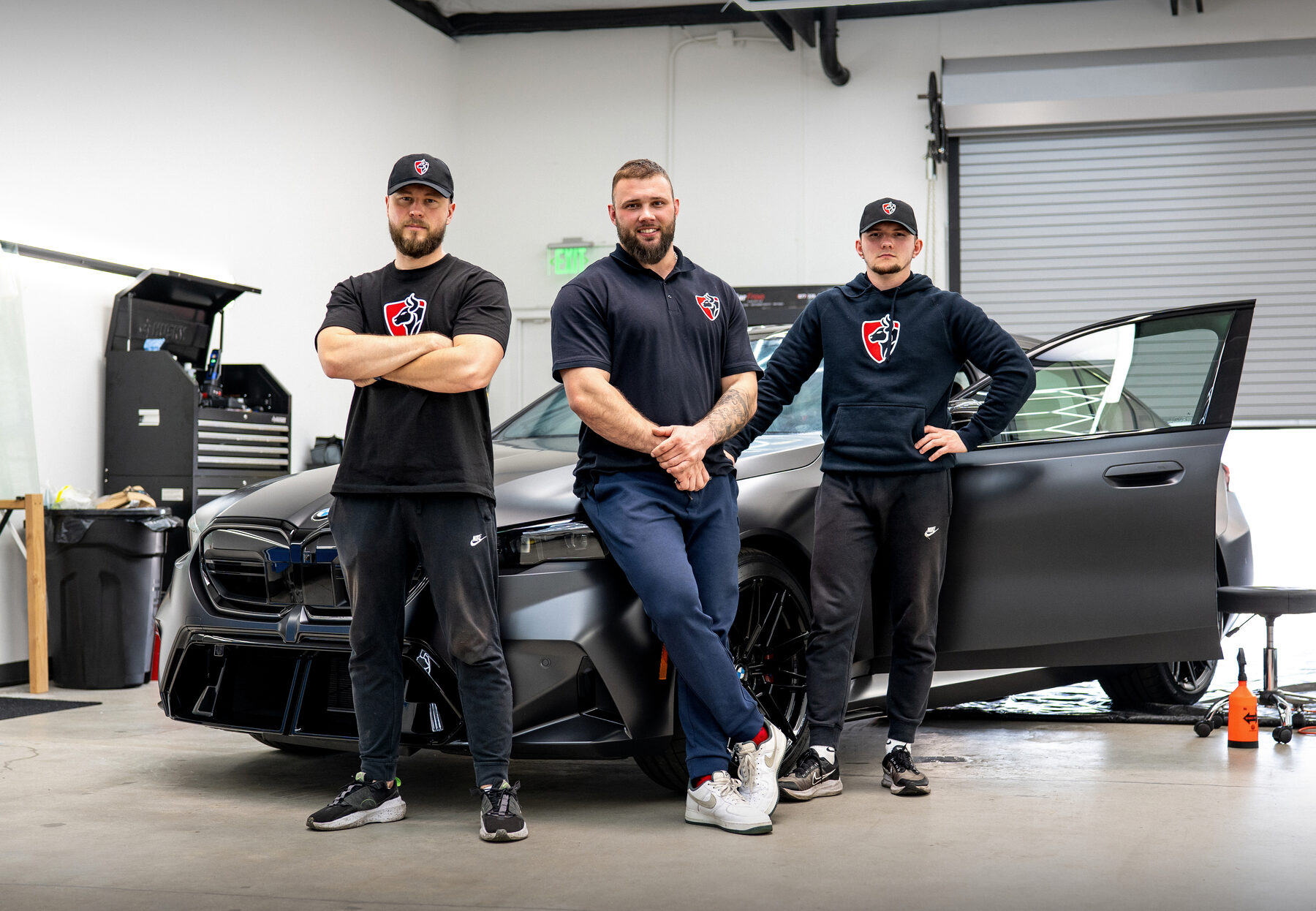
- Owner-installed expertise. Shop owner Vadym Bugai personally oversees quality so every car leaves with clean, bubble-free edges.
When you compare that against a cheap, no-warranty install that fades in two years, the value is clear.
FAQ
How much does window tint cost on average?
In 2026, a professional full-car tint usually costs $150–$900 in the U.S., driven mostly by film type. Dyed runs about $150–$250, carbon $250–$450, and ceramic $400–$800+. At BGI Tint in Sacramento, window tint starts at $299.
How much is ceramic window tint?
Full-car ceramic tint typically runs $400–$900 for a sedan and $600–$1,200 for an SUV or truck. It costs more than dyed or carbon because it rejects far more heat and UV and lasts the longest. BGI ceramic packages start at $699.
How much to tint just the two front windows?
Tinting only the two front windows usually costs $50–$150, since it's a small job often added to match a factory-tinted rear. Just remember California's 70% VLT rule applies to those front windows.
How long does window tint last?
It depends on the film: dyed lasts about 2–5 years, carbon about 7–10 years, and ceramic 10–20+ years (often a lifetime with care). Shaded parking and ammonia-free cleaners extend the life of any film.
Is ceramic tint worth the extra cost?
For most daily drivers in a hot climate, yes. Ceramic rejects the most heat and UV, stays clear, doesn't block your phone or GPS signal, and lasts the longest — so the higher upfront price is spread over many more years of comfort and protection.
How much is a window tint ticket in California?
The base fine is $25, but with court fees a first offense typically totals around $197 and is usually a correctable “fix-it” ticket. You'll have to remove the illegal tint and get re-inspected, so a legal install is the cheaper route.
What's the legal tint limit in California?
Front side windows must let at least 70% of light through (film plus glass). Rear side windows and the rear window can be any darkness if the car has both side mirrors. The windshield allows only a non-reflective strip along the top 4 inches.
Why is cheap window tint a bad idea?
Low-grade film fades to purple and bubbles within a couple of years, so you end up paying again for removal and a redo. It also blocks less heat and UV, and a careless shop may install illegal front-window tint that earns you a ticket.
Do you offer free quotes and same-day service in Sacramento?
Yes. BGI Tint offers free quotes and same-day appointments are often available. We're locally owned, just 3 minutes off I-80, and serve Sacramento, Placer, and El Dorado counties.
Related Guides
Core protection guides:
- What is ceramic coating? — how ceramic paint coatings work and what they protect
- PPF vs. ceramic coating — which paint-protection option is right for your car
- How much does PPF cost? — clear bra pricing explained
- California window tint laws — legal VLT limits, fines, and exemptions
- Ceramic tint vs. regular tint — performance and price compared
More tint cost guides:
- Ceramic vs. carbon tint — head-to-head on heat, color, and price (planned)
- How much does it cost to tint a Tesla? — Model 3 and Model Y pricing (planned)
- Window tint cost by car model — sedan, SUV, truck, and coupe breakdowns (planned)
Ready to book? See our Sacramento window tint service page.
Get a Free Quote
Want an exact price for your car? Get a free, no-obligation quote from BGI Tint — same-day appointments are often available, and we'll recommend the right film for your vehicle and budget.
- Book online: bgitint.com/service-promotions/bgi-tint
- Call us: (916) 460-9257
- Free quotes • Same-day appointments • 3 minutes off I-80 • Serving Sacramento, Placer & El Dorado counties
Written by BGI Tint • Reviewed by Vadym Bugai, owner & installer
Sources:
- Xtreme Detailing — How Much To Tint Car Windows? 2026 Cost Guide
- Glass & Auto — Car Window Tinting Cost in 2026
- Orleans Auto Club — How Much Does It Cost to Tint Car Windows? (2026)
- OC Tint Solutions — Car Window Tint Cost Calculator
- OC Tint Solutions — How Long Should Window Tint Last?
- TintLaws — Ceramic vs. Dyed vs. Carbon vs. Hybrid Tint (2026)
- Tesla Model Guy — Tesla Model Y Ceramic Tint Cost 2026
- TintLegal — California Window Tint Laws (2026)
- DK Law — California Window Tint Laws
- Easton Law Offices — California Window Tint Law 2026
- California Vehicle Code §26708 (legal tint statute)
Can You Order Auto Detailing for Roseville Vehicles from BGI Pro Auto Detailing?
Yes, Roseville vehicle owners can consider BGI Pro Auto Detailing because the shop serves the broader Sacramento-area market and lists Roseville among its service cities. The shop location in North Highlands can be convenient for drivers coming from nearby communities, especially when the route works with Interstate 80 access. For many customers, that matters: a good detailing or protection service is worth planning, but the trip still needs to be practical.
The simplest next step is to request a quote and explain the vehicle, the service needed, and whether the car is coming from Roseville or another nearby area. That allows the shop to guide the customer toward the right service, whether it is detailing, tinting, ceramic protection, paint protection film, or dent restoration. Before visiting, customers can also confirm timing, service length, and any prep instructions so the appointment goes smoothly.
What Should You Know before Choosing an Auto Detailing Company?
Before choosing an auto detailing company, look beyond the word “detail” and ask what the service actually includes. Some services focus on basic cleaning, while others may involve deeper interior work, exterior decontamination, protection products, tinting, PPF, ceramic coating, or dent restoration. The right choice depends on what you want fixed, improved, protected, or maintained.
From the customer side, there are a few useful angles to compare. First, review the service scope: does the shop explain what is included and what may cost extra? Second, look at reviews and visible business information so you know who you are trusting with the vehicle. Third, ask about materials and process, especially for tint, ceramic coating, and paint protection film. And finally, be realistic about results. Detailing can dramatically improve a vehicle’s appearance, but deep damage, severe stains, worn materials, or paint defects may require extra work or may not disappear completely.
Who Needs to Order Auto Detailing Services?
Auto detailing is useful for more than show cars. Daily drivers need it because regular commuting leaves behind dust, road film, spills, odors, fingerprints, and grime that basic washing does not fully solve. Families often need detailing because interiors take real abuse from snacks, car seats, sports gear, pets, and constant use.
Luxury car owners and enthusiasts may choose detailing to preserve the vehicle’s finish and keep the cabin looking closer to new. Used car owners often book detailing after buying a vehicle because they want a cleaner, more personal-feeling interior. And anyone preparing to sell or trade in a vehicle should consider detailing before photos, test drives, or appraisal. A clean, well-presented vehicle simply makes a better first impression.
What Guarantees, Documents, and Proof of Expertise Do You Provide?
When choosing an automotive detailing shop, proof often comes from visible information, real customer feedback, and clear communication—not just promises. BGI Pro Auto Detailing displays a 4.9 Google Reviews rating with 360 reviews, which helps customers evaluate the shop through public feedback. The business also provides visible shop details, including location, phone contact, operating hours, and a defined list of services.
For guarantees, customers should ask what applies to the exact service being purchased. Ceramic protection, tinting, PPF, detailing, and dent restoration may all have different expectations, care instructions, and limitations. A clear quote and service explanation are useful because they document what the customer requested and what the shop agreed to perform.
How Does Work Progress and What Timelines Can You Expect from Our Auto Detailing Store?
The work usually starts with booking or requesting a quote, then bringing the vehicle to the shop for inspection. Once the vehicle arrives, the team can review the condition, confirm the selected service, and explain what will happen during the appointment. A lighter detailing service may move faster, while ceramic coating, paint protection film, window tinting, or more involved restoration work can require more time because prep and curing or installation steps matter.
During the service, progress depends on the vehicle’s condition and the type of work being performed. For example, a heavily used family SUV may need more interior attention than a lightly driven sedan, and protective film work has a different timeline than an exterior cleaning. Customers should expect the shop to complete a final quality check before handoff. At that point, the vehicle is reviewed, any key care instructions can be explained, and the customer can see the result before leaving.
Why Do Clients Choose Our Automotive Detailing Shop?
Clients often choose BGI Pro Auto Detailing because the shop combines multiple automotive appearance and protection services in one Sacramento-area location. The company presents itself as an automotive shop serving drivers who want detailing, tint, ceramic paint protection, paint protection film, dent restoration, and related protection services without guessing where to start. That is especially helpful when a customer wants more than a quick wash but is not sure whether their vehicle needs detailing, coating, PPF, or another service.
The shop also displays a 4.9 Google Reviews rating with 360 reviews, which gives new customers a useful public signal before booking. Another practical advantage is access: the location is listed at 3437 Myrtle Ave #355, North Highlands, CA 95660, with easy access from Interstate 80 and listed hours from Monday to Saturday, 8am to 8pm. Add a free quote and a customer-focused workflow, and the experience becomes easier to plan. Customers can call, ask what fits their vehicle, and get a clearer idea of the next step before committing.
How Much Do Services Cost and What Affects the Price of Auto Detailing?
Auto detailing prices can vary because no two vehicles arrive in the same condition. A compact commuter car that only needs a maintenance detail will usually require less time and product than a large SUV with heavy interior buildup, pet hair, stains, oxidation, or neglected paint. The same logic applies to protective services: tinting, ceramic coating, PPF, and dent restoration all depend on the amount of work involved.
The best way to get a realistic number is to request a quote based on the exact vehicle and service goal. BGI Pro Auto Detailing can review what the vehicle needs and help the customer understand which package or add-on makes sense.
How Does the Auto Detailing Process Work at BGI Pro Auto Detailing?
A good detailing visit starts before any product touches the vehicle. At BGI Pro Auto Detailing, the process should begin with a basic inspection so the team can understand the vehicle’s size, condition, surface issues, and the client’s goal for the service. One driver may want a deep clean before selling a car; another may need tint, ceramic protection, or paint protection film for a newer vehicle.
After the inspection, the right service or package can be selected. The work may include interior cleaning, exterior washing, surface preparation, tint installation, ceramic coating prep, PPF application, dent restoration, or a combination of services. The final stage is the quality review, where the completed work is checked before customer handoff. That final review matters because detailing is visual work: the customer should understand what was done, what results were achieved, and how to care for the vehicle afterward.
What Services Does BGI Pro Auto Detailing Provide in Sacramento, CA?
BGI Pro Auto Detailing provides vehicle appearance and protection services for drivers in the Sacramento area, with a shop location in North Highlands, CA. The core service menu includes automotive detailing, automotive window tinting, paint protection film wrapping, ceramic paint protection, paintless dent restoration, commercial window tinting, and aircraft concierge detailing. That means clients can visit the shop for anything from a cleaner, fresher daily driver to a more serious exterior protection plan for a luxury, new, or recently restored vehicle.
From a practical angle, detailing focuses on cleaning, restoring, and refreshing the vehicle’s interior and exterior surfaces. Tinting helps improve privacy, comfort, and sun control, while ceramic coating and PPF are chosen when the goal is longer-term paint protection. Paintless dent restoration is useful when a vehicle has minor dents that may not require traditional bodywork. And for business vehicles or specialized assets, commercial tinting and aircraft detailing give clients options beyond standard car care.

Useful articles for drivers who want better comfort, cleaner paint, stronger protection, and smarter car care decisions.

Useful articles for drivers who want better comfort, cleaner paint, stronger protection, and smarter car care decisions.

Useful articles for drivers who want better comfort, cleaner paint, stronger protection, and smarter car care decisions.