

.svg)
California Windshield
Tint Rules
What's legal on a California windshield: a clear non-reflective strip across the top, clear UV film on the full glass — and what's not.

Quick answer: On a California windshield you may apply a clear, non-reflective tint strip across the top only — its bottom edge must be at least 29 inches above the driver's seat (practically the top 4–5 inches), and it can't be red or amber. A clear, colorless UV/heat film may cover the entire windshield because it doesn't reduce visible light. Dark film below the strip is illegal.
The windshield top-strip rule
California allows a tinted sun strip (“eyebrow”) across the top of the windshield and nothing darker below it. Under CVC §26708(c), the strip's bottom edge must sit at least 29 inches above the undepressed driver's seat. Most shops translate that to the top ~4–5 inches of the glass; the conservative, never-ticketed choice is the top 4 inches.
| Windshield element | Allowed? | Rule |
|---|---|---|
| Tinted top strip | ✅ Yes | Bottom edge ≥29" above the seat (top 4–5"); non-reflective; not red/amber |
| Clear UV/heat film (full glass) | ✅ Yes | Colorless film that doesn't reduce visible light |
| Dark tint below the strip | ❌ No | Reduces visibility — illegal |
| Red or amber strip | ❌ No | Prohibited colors (CVC §26708(c)) |
| Mirrored / reflective film | ❌ No | Anti-glare provision of §26708 |
Source: California Vehicle Code §26708(c) — see the full California window tint laws guide.
Clear full-windshield film is legal
Here's the part most drivers miss: a clear, colorless UV/IR film can legally cover your entire windshield, because the law only restricts films that reduce visible light or add color/reflectivity. That's how you get real heat and UV protection on the windshield without breaking the law — a great pairing with a near-clear 70% ceramic film on the front sides.
AS-1 line vs the 29-inch rule
Out-of-state charts often cite the AS-1 line, but California's statute defines the limit by height (29 inches above the seat), not the AS-1 mark. When in doubt, measure from the seat or stay within the top 4 inches.
Windshield tint tickets
Dark film below the strip, or a reflective/red/amber band, is a correctable (fix-it) violation — you'll be asked to remove it. For costs and how to clear it, see how much is a tint ticket in California and our fix-it ticket guide.
Frequently Asked Questions
Can you tint a windshield in California?
Only a clear, non-reflective strip across the top. Its bottom edge must sit at least 29 inches above the driver's seat — in practice the top 4–5 inches — and it can't be red or amber. The rest of the windshield must stay clear of darkening film.
Is a full-windshield clear film legal in California?
Yes. A clear, colorless UV/heat-rejection film that doesn't reduce visible light may be applied to the entire windshield. It's how shops add heat and UV protection to the windshield legally.
What is the AS-1 line?
The AS-1 line is a mark some manufacturers place near the top of the windshield. California's statute actually defines the boundary by height — at least 29 inches above the seat — not the AS-1 line, so measure from the seat or stay within the top 4 inches to be safe.
Can I put a tint strip (sun visor band) on my windshield?
Yes — the top strip is allowed as long as it's above the 29-inch line, non-reflective, and not red or amber.
Is ceramic windshield film legal in California?
Yes, if it's clear/colorless. A clear ceramic film blocks heat and UV without reducing visible light, so it can legally cover the full windshield. A darkening tint below the top strip is not allowed.
Can I get a ticket for windshield tint?
Yes. Dark film below the legal strip, or a reflective/red/amber strip, can earn a correctable fix-it ticket. See how much a tint ticket costs in California.
Why is the windshield stricter than other windows?
Clear forward visibility is critical for safe driving, so California keeps the windshield essentially clear except for the small top sun band.
Get California-legal tint in Sacramento
At BGI Tint, every install is built around California's rules so you stay ticket-free. We carry LLumar, STEK, Rayno, Feynlab, BLASK, and Carlas films — including ceramic options that hit the legal 70% VLT up front while maximizing heat and UV rejection. Lifetime tint warranty, same-day appointments, and free quotes across Sacramento, Placer, and El Dorado counties. We keep your windshield strip and front windows compliant by default.
- Call: (916) 460-9257
- Book: automotive window tinting — window tint from $299
Written by BGI Tint • Reviewed by Vadym Bugai, owner & window tint installer.
Disclaimer — accurate as of 2026: Laws change; verify current requirements with the California DMV or CHP. General information, not legal advice.
Related guides
- California window tint laws — the full legal breakdown (the pillar)
- Darkest legal tint in California
- Is ceramic tint legal in California? — clear ceramic for the windshield
Sources
- California Vehicle Code §26708 — leginfo.legislature.ca.gov
- California DMV — dmv.ca.gov
Security film can delay entry and increase the effort or noise required, but it cannot guarantee that a determined intruder will never create an opening.
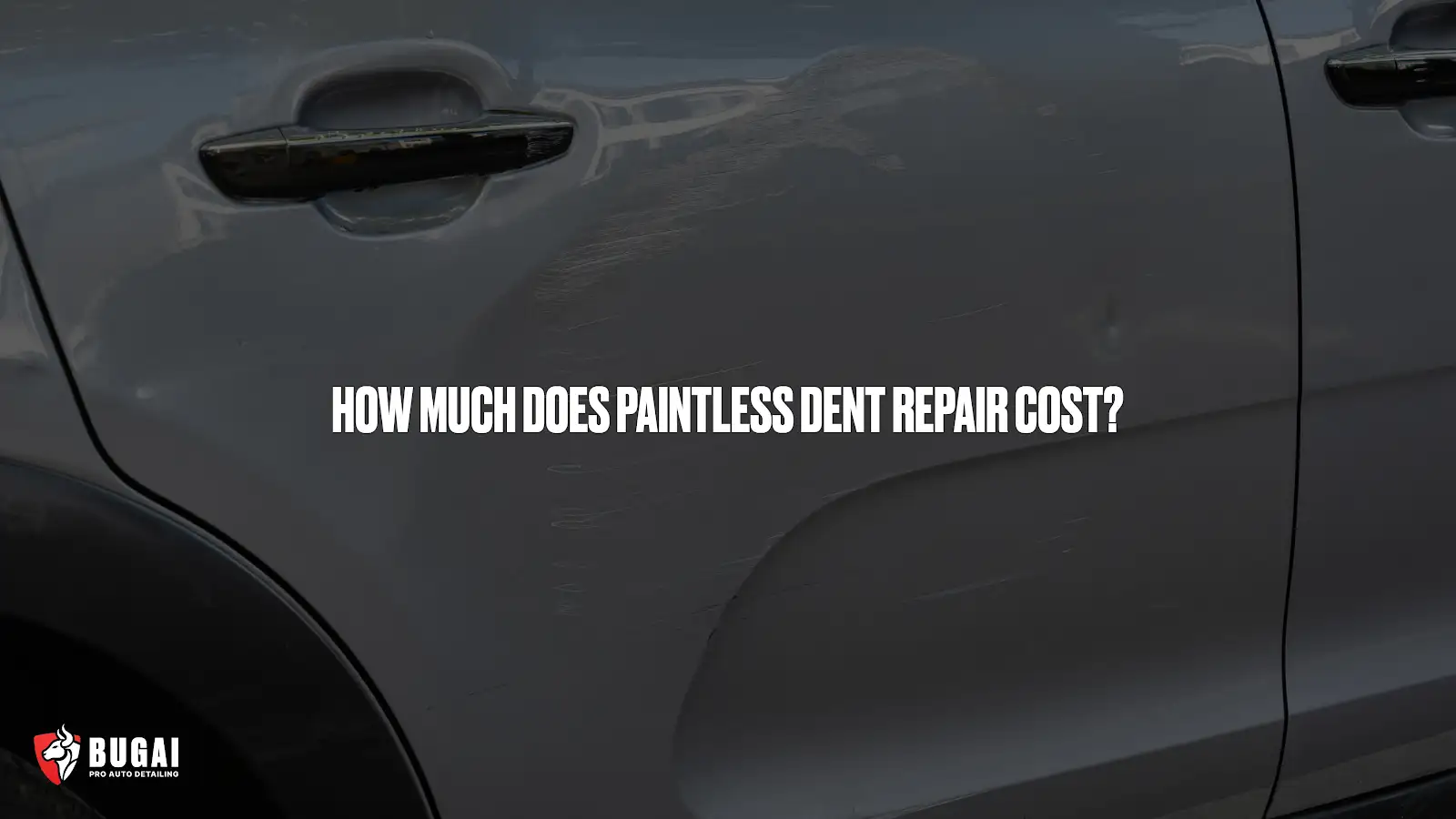
A written inspection-based estimate is more reliable than a single advertised average.

Paintless dent repair, or PDR, is a method of reshaping a dented metal panel without conventional body filler and repainting when the existing finish remains suitable.


