


Does Privacy Window Film
Reflective one-way privacy film usually does not provide dependable privacy at night when the room is brighter than the exterior.

This guide provides a practical, condition-based answer to the question in the title. It explains what a technician evaluates, how the work is performed, which limitations matter, and how to compare a written recommendation. For privacy window film, reflective privacy is controlled by the brightness difference on the two sides of the glass, not by a permanent one-way property. BGI Pro Auto Detailing serves North Highlands and the greater Sacramento area; any price or time shown is a dated benchmark or published starting point, not a guaranteed quote without inspection.
Does privacy window film work at night?
Reflective one-way privacy film usually does not provide dependable privacy at night when the room is brighter than the exterior. The decision should account for reflective one-way film depends on a brighter exterior than interior and usually loses daytime privacy after dark when interior lights are on. These details determine eligibility, preparation, labor, expected appearance, and the limits that should be written into the estimate or work order.
A reliable plan separates eligibility, procedure, expected result, and residual risk. For privacy window film, reflective privacy is controlled by the brightness difference on the two sides of the glass, not by a permanent one-way property. Document the starting condition, protect adjacent materials, and define the acceptance check before work begins. If the filmed glass and the lighting on both sides responds differently from the test area, the method should be changed instead of forced.
According to 3M's daytime privacy film specification, 3M labels its reflective privacy product as a daytime privacy film and states that it does not provide nighttime privacy. Apply that guidance only within its stated scope: product instructions govern the named product, insurance summaries do not replace a policy, and test results apply to the tested configuration. The authority supports the decision criteria; it does not turn a conditional repair, installation, or price into a universal guarantee.
The customer can reduce surprises by confirming the decision criteria in advance. Confirm the included steps, exclusions, change-order triggers, estimated downtime, aftercare, and warranty. Reliable nighttime privacy normally requires an obscuring product or a second layer such as a shade, blind, curtain, or switchable glazing. View a full-size sample from both sides at midday, dusk, and night with the room's normal lights on; test the exact sightlines that matter.
The main red flag is certainty without inspection. The main risk variables are daylight, dusk, interior lighting, exterior lighting, sightline, silhouette tolerance, glass compatibility, and the need to preserve an outward view. When the condition falls outside the selected method, changing the plan protects the glazing system and produces a more defensible result. BGI Pro Auto Detailing can inspect the condition in North Highlands and explain the appropriate scope without turning a published starting point or benchmark into a guaranteed quote.
Why does one-way privacy film stop working after dark?
The effect reverses because the brighter side of the glass produces the stronger reflection; after dark, that is often the illuminated interior. The decision should account for light balance, reflection, transmission, viewing direction, and how interior lighting reverses the daytime effect. These details determine eligibility, preparation, labor, expected appearance, and the limits that should be written into the estimate or work order.
A professional assessment starts with the whole system, not the most obvious symptom. For privacy window film, reflective privacy is controlled by the brightness difference on the two sides of the glass, not by a permanent one-way property. Document the starting condition, protect adjacent materials, and define the acceptance check before work begins. If the filmed glass and the lighting on both sides responds differently from the test area, the method should be changed instead of forced.
According to 3M's residential window-film guidance, 3M explains that reflective privacy depends on daytime lighting conditions rather than a permanent one-way effect. Apply that guidance only within its stated scope: product instructions govern the named product, insurance summaries do not replace a policy, and test results apply to the tested configuration. The authority supports the decision criteria; it does not turn a conditional repair, installation, or price into a universal guarantee.
Quality is easier to judge when the expected result and limitations are recorded before service. Confirm the included steps, exclusions, change-order triggers, estimated downtime, aftercare, and warranty. Reliable nighttime privacy normally requires an obscuring product or a second layer such as a shade, blind, curtain, or switchable glazing. View a full-size sample from both sides at midday, dusk, and night with the room's normal lights on; test the exact sightlines that matter.
The best-value option is not necessarily the fastest or the cheapest one. The main risk variables are daylight, dusk, interior lighting, exterior lighting, sightline, silhouette tolerance, glass compatibility, and the need to preserve an outward view. When the condition falls outside the selected method, changing the plan protects the glazing system and produces a more defensible result.
Is there a privacy window film that works at night?
It may, but the result is conditional. The immediate considerations are frosted, decorative, blackout or opaque, translucent, perforated, and switchable options, while daylight, dusk, interior lighting, exterior lighting, sightline, silhouette tolerance, glass compatibility, and the need to preserve an outward view can change the final outcome. The decision should account for frosted, decorative, blackout or opaque, translucent, perforated, and switchable options, and the visibility and daylight trade-offs. These details determine eligibility, preparation, labor, expected appearance, and the limits that should be written into the estimate or work order.
The useful distinction is between what can be seen immediately and what must be verified before work begins. For privacy window film, reflective privacy is controlled by the brightness difference on the two sides of the glass, not by a permanent one-way property. Document the starting condition, protect adjacent materials, and define the acceptance check before work begins. If the filmed glass and the lighting on both sides responds differently from the test area, the method should be changed instead of forced.
According to 3M's daytime privacy film specification, 3M labels its reflective privacy product as a daytime privacy film and states that it does not provide nighttime privacy. Apply that guidance only within its stated scope: product instructions govern the named product, insurance summaries do not replace a policy, and test results apply to the tested configuration. The authority supports the decision criteria; it does not turn a conditional repair, installation, or price into a universal guarantee.
For an owner, the most useful next step is to request a written scope. Confirm the included steps, exclusions, change-order triggers, estimated downtime, aftercare, and warranty. Reliable nighttime privacy normally requires an obscuring product or a second layer such as a shade, blind, curtain, or switchable glazing. View a full-size sample from both sides at midday, dusk, and night with the room's normal lights on; test the exact sightlines that matter.
Do not treat a quick online rule as a guarantee. The main risk variables are daylight, dusk, interior lighting, exterior lighting, sightline, silhouette tolerance, glass compatibility, and the need to preserve an outward view. When the condition falls outside the selected method, changing the plan protects the glazing system and produces a more defensible result.
| Factor | Why it matters |
|---|---|
| Frosted | Changes eligibility or the safest method |
| Decorative | Changes labor, access, or preparation |
| Blackout or opaque | Changes expected appearance or performance |
| Translucent | Changes risk, timing, or warranty scope |
| Perforated | Requires product-specific confirmation |
| And switchable options | Should be documented in the estimate |
How do frosted and opaque films compare for 24-hour privacy?
The options differ primarily in silhouette visibility, daylight, outward view, room brightness, appearance, and suitable rooms. The correct choice depends on which of those differences matters for the actual condition. The decision should account for silhouette visibility, daylight, outward view, room brightness, appearance, and suitable rooms. These details determine eligibility, preparation, labor, expected appearance, and the limits that should be written into the estimate or work order.
In practice, the variables interact, so they should be evaluated in a deliberate order. For privacy window film, reflective privacy is controlled by the brightness difference on the two sides of the glass, not by a permanent one-way property. Document the starting condition, protect adjacent materials, and define the acceptance check before work begins. If the filmed glass and the lighting on both sides responds differently from the test area, the method should be changed instead of forced.
According to 3M's residential window-film guidance, 3M explains that reflective privacy depends on daytime lighting conditions rather than a permanent one-way effect. Apply that guidance only within its stated scope: product instructions govern the named product, insurance summaries do not replace a policy, and test results apply to the tested configuration. The authority supports the decision criteria; it does not turn a conditional repair, installation, or price into a universal guarantee.
Before authorizing the work, turn the recommendation into a short checklist. Confirm the included steps, exclusions, change-order triggers, estimated downtime, aftercare, and warranty. Reliable nighttime privacy normally requires an obscuring product or a second layer such as a shade, blind, curtain, or switchable glazing. View a full-size sample from both sides at midday, dusk, and night with the room's normal lights on; test the exact sightlines that matter.
A conservative technician will explain both the likely result and the limit of the method. The main risk variables are daylight, dusk, interior lighting, exterior lighting, sightline, silhouette tolerance, glass compatibility, and the need to preserve an outward view. When the condition falls outside the selected method, changing the plan protects the glazing system and produces a more defensible result.
| Factor | Why it matters |
|---|---|
| Silhouette visibility | Changes eligibility or the safest method |
| Daylight | Changes labor, access, or preparation |
| Outward view | Changes expected appearance or performance |
| Room brightness | Changes risk, timing, or warranty scope |
| Appearance | Requires product-specific confirmation |
| And suitable rooms | Should be documented in the estimate |
Can lighting changes improve nighttime privacy?
Yes in some cases, but exterior lighting, reducing interior brightness near glass, landscaping, shades, and why lighting alone may not create reliable privacy must be evaluated before the answer is final. The safe method also depends on daylight, dusk, interior lighting, exterior lighting, sightline, silhouette tolerance, glass compatibility, and the need to preserve an outward view. The decision should account for exterior lighting, reducing interior brightness near glass, landscaping, shades, and why lighting alone may not create reliable privacy. These details determine eligibility, preparation, labor, expected appearance, and the limits that should be written into the estimate or work order.
Good workmanship begins with diagnosis and a clearly defined outcome. For privacy window film, reflective privacy is controlled by the brightness difference on the two sides of the glass, not by a permanent one-way property. Document the starting condition, protect adjacent materials, and define the acceptance check before work begins. If the filmed glass and the lighting on both sides responds differently from the test area, the method should be changed instead of forced.
According to 3M's daytime privacy film specification, 3M labels its reflective privacy product as a daytime privacy film and states that it does not provide nighttime privacy. Apply that guidance only within its stated scope: product instructions govern the named product, insurance summaries do not replace a policy, and test results apply to the tested configuration. The authority supports the decision criteria; it does not turn a conditional repair, installation, or price into a universal guarantee.
A clear estimate should make the decision easier, not hide the variables. Confirm the included steps, exclusions, change-order triggers, estimated downtime, aftercare, and warranty. Reliable nighttime privacy normally requires an obscuring product or a second layer such as a shade, blind, curtain, or switchable glazing. View a full-size sample from both sides at midday, dusk, and night with the room's normal lights on; test the exact sightlines that matter.
When safety, factory finish, glass integrity, or warranty coverage is involved, restraint is part of professional work. The main risk variables are daylight, dusk, interior lighting, exterior lighting, sightline, silhouette tolerance, glass compatibility, and the need to preserve an outward view. When the condition falls outside the selected method, changing the plan protects the glazing system and produces a more defensible result.
- Inspect: Exterior lighting. Check the observed result before moving to the next stage.
- Plan: Reducing interior brightness near glass. Check the observed result before moving to the next stage.
- Set up: Landscaping. Check the observed result before moving to the next stage.
- Perform: Shades. Check the observed result before moving to the next stage.
- Verify: confirm privacy from both sides under the normal nighttime lighting conditions.
Can you keep an outward view and have full nighttime privacy?
Yes in some cases, but the core trade-off and layered solutions such as daytime film plus blinds, shades, curtains, or switchable glazing must be evaluated before the answer is final. The safe method also depends on daylight, dusk, interior lighting, exterior lighting, sightline, silhouette tolerance, glass compatibility, and the need to preserve an outward view. The decision should account for the the core trade-off and layered solutions such as daytime film plus blinds, shades, curtains, or switchable glazing. These details determine eligibility, preparation, labor, expected appearance, and the limits that should be written into the estimate or work order.
The safest recommendation is based on evidence from the actual glazing and lighting conditions, not a generic product claim. For privacy window film, reflective privacy is controlled by the brightness difference on the two sides of the glass, not by a permanent one-way property. Document the starting condition, protect adjacent materials, and define the acceptance check before work begins. If the filmed glass and the lighting on both sides responds differently from the test area, the method should be changed instead of forced.
According to 3M's residential window-film guidance, 3M explains that reflective privacy depends on daytime lighting conditions rather than a permanent one-way effect. Apply that guidance only within its stated scope: product instructions govern the named product, insurance summaries do not replace a policy, and test results apply to the tested configuration. The authority supports the decision criteria; it does not turn a conditional repair, installation, or price into a universal guarantee.
The customer can reduce surprises by confirming the decision criteria in advance. Confirm the included steps, exclusions, change-order triggers, estimated downtime, aftercare, and warranty. Reliable nighttime privacy normally requires an obscuring product or a second layer such as a shade, blind, curtain, or switchable glazing. View a full-size sample from both sides at midday, dusk, and night with the room's normal lights on; test the exact sightlines that matter.
The main red flag is certainty without inspection. The main risk variables are daylight, dusk, interior lighting, exterior lighting, sightline, silhouette tolerance, glass compatibility, and the need to preserve an outward view. When the condition falls outside the selected method, changing the plan protects the glazing system and produces a more defensible result.
Which privacy film works best for offices, bathrooms, and storefronts?
The best choice is the one that meets the specific condition and performance requirement while respecting the limits of the material and installation. The decision should account for spaces to privacy level, daylight need, branding, security, cleaning, code, and appearance, and avoid one universal recommendation. These details determine eligibility, preparation, labor, expected appearance, and the limits that should be written into the estimate or work order.
A reliable plan separates eligibility, procedure, expected result, and residual risk. For privacy window film, reflective privacy is controlled by the brightness difference on the two sides of the glass, not by a permanent one-way property. Document the starting condition, protect adjacent materials, and define the acceptance check before work begins. If the filmed glass and the lighting on both sides responds differently from the test area, the method should be changed instead of forced.
According to 3M's daytime privacy film specification, 3M labels its reflective privacy product as a daytime privacy film and states that it does not provide nighttime privacy. Apply that guidance only within its stated scope: product instructions govern the named product, insurance summaries do not replace a policy, and test results apply to the tested configuration. The authority supports the decision criteria; it does not turn a conditional repair, installation, or price into a universal guarantee.
Quality is easier to judge when the expected result and limitations are recorded before service. Confirm the included steps, exclusions, change-order triggers, estimated downtime, aftercare, and warranty. Reliable nighttime privacy normally requires an obscuring product or a second layer such as a shade, blind, curtain, or switchable glazing. View a full-size sample from both sides at midday, dusk, and night with the room's normal lights on; test the exact sightlines that matter.
The best-value option is not necessarily the fastest or the cheapest one. The main risk variables are daylight, dusk, interior lighting, exterior lighting, sightline, silhouette tolerance, glass compatibility, and the need to preserve an outward view. When the condition falls outside the selected method, changing the plan protects the glazing system and produces a more defensible result.
How should privacy film be tested before installation?
The safest recommendation is samples observed from both sides in daylight, dusk, and night with typical lighting. It reduces preventable damage while the condition is waiting for professional inspection. The decision should account for samples observed from both sides in daylight, dusk, and night with typical lighting, and document required sightlines and silhouette tolerance. These details determine eligibility, preparation, labor, expected appearance, and the limits that should be written into the estimate or work order.
A professional assessment starts with the whole system, not the most obvious symptom. For privacy window film, reflective privacy is controlled by the brightness difference on the two sides of the glass, not by a permanent one-way property. Document the starting condition, protect adjacent materials, and define the acceptance check before work begins. If the filmed glass and the lighting on both sides responds differently from the test area, the method should be changed instead of forced.
According to 3M's residential window-film guidance, 3M explains that reflective privacy depends on daytime lighting conditions rather than a permanent one-way effect. Apply that guidance only within its stated scope: product instructions govern the named product, insurance summaries do not replace a policy, and test results apply to the tested configuration. The authority supports the decision criteria; it does not turn a conditional repair, installation, or price into a universal guarantee.
For an owner, the most useful next step is to request a written scope. Confirm the included steps, exclusions, change-order triggers, estimated downtime, aftercare, and warranty. Reliable nighttime privacy normally requires an obscuring product or a second layer such as a shade, blind, curtain, or switchable glazing. View a full-size sample from both sides at midday, dusk, and night with the room's normal lights on; test the exact sightlines that matter.
Do not treat a quick online rule as a guarantee. The main risk variables are daylight, dusk, interior lighting, exterior lighting, sightline, silhouette tolerance, glass compatibility, and the need to preserve an outward view. When the condition falls outside the selected method, changing the plan protects the glazing system and produces a more defensible result.
What should building owners ask a window-film installer?
A useful decision framework includes questions about glass compatibility, thermal stress, warranty, edge finishing, sample panels, visible-light transmission, maintenance, and removal. It should be recorded clearly enough for the customer to compare scope and risk. The decision should account for questions about glass compatibility, thermal stress, warranty, edge finishing, sample panels, visible-light transmission, maintenance, and removal. These details determine eligibility, preparation, labor, expected appearance, and the limits that should be written into the estimate or work order.
The useful distinction is between what can be seen immediately and what must be verified before work begins. For privacy window film, reflective privacy is controlled by the brightness difference on the two sides of the glass, not by a permanent one-way property. Document the starting condition, protect adjacent materials, and define the acceptance check before work begins. If the filmed glass and the lighting on both sides responds differently from the test area, the method should be changed instead of forced.
According to 3M's daytime privacy film specification, 3M labels its reflective privacy product as a daytime privacy film and states that it does not provide nighttime privacy. Apply that guidance only within its stated scope: product instructions govern the named product, insurance summaries do not replace a policy, and test results apply to the tested configuration. The authority supports the decision criteria; it does not turn a conditional repair, installation, or price into a universal guarantee.
Before authorizing the work, turn the recommendation into a short checklist. Confirm the included steps, exclusions, change-order triggers, estimated downtime, aftercare, and warranty. Reliable nighttime privacy normally requires an obscuring product or a second layer such as a shade, blind, curtain, or switchable glazing. View a full-size sample from both sides at midday, dusk, and night with the room's normal lights on; test the exact sightlines that matter.
A conservative technician will explain both the likely result and the limit of the method. The main risk variables are daylight, dusk, interior lighting, exterior lighting, sightline, silhouette tolerance, glass compatibility, and the need to preserve an outward view. When the condition falls outside the selected method, changing the plan protects the glazing system and produces a more defensible result.
- Verify glass compatibility before committing to the method.
- Include thermal-stress considerations in the written scope.
- Confirm warranty requirements during the work.
- Review edge finishing in the final acceptance check.
What is the bottom line on nighttime window-film privacy?
The bottom line is to match the method to the actual condition, verify the result, and use a qualified technician when the risk cannot be controlled confidently. The decision should account for the light-balance limitation and recommend opaque, frosted, layered, or switchable solutions when privacy must remain reliable after dark. These details determine eligibility, preparation, labor, expected appearance, and the limits that should be written into the estimate or work order.
In practice, the variables interact, so they should be evaluated in a deliberate order. For privacy window film, reflective privacy is controlled by the brightness difference on the two sides of the glass, not by a permanent one-way property. Document the starting condition, protect adjacent materials, and define the acceptance check before work begins. If the filmed glass and the lighting on both sides responds differently from the test area, the method should be changed instead of forced.
According to 3M's residential window-film guidance, 3M explains that reflective privacy depends on daytime lighting conditions rather than a permanent one-way effect. Apply that guidance only within its stated scope: product instructions govern the named product, insurance summaries do not replace a policy, and test results apply to the tested configuration. The authority supports the decision criteria; it does not turn a conditional repair, installation, or price into a universal guarantee.
A clear estimate should make the decision easier, not hide the variables. Confirm the included steps, exclusions, change-order triggers, estimated downtime, aftercare, and warranty. Reliable nighttime privacy normally requires an obscuring product or a second layer such as a shade, blind, curtain, or switchable glazing. View a full-size sample from both sides at midday, dusk, and night with the room's normal lights on; test the exact sightlines that matter.
When safety, factory finish, glass integrity, or warranty coverage is involved, restraint is part of professional work. The main risk variables are daylight, dusk, interior lighting, exterior lighting, sightline, silhouette tolerance, glass compatibility, and the need to preserve an outward view. When the condition falls outside the selected method, changing the plan protects the glazing system and produces a more defensible result. BGI Pro Auto Detailing can inspect the condition in North Highlands and explain the appropriate scope without turning a published starting point or benchmark into a guaranteed quote.
- Review the light-balance limitation before committing to the method.
- Include a recommendation for opaque or layered solutions in the written scope.
- Monitor the frosted-film installation during the work.
- Confirm the layered solution in the final acceptance check.

A straightforward eligible chip repair often takes about 30 minutes after inspection, although crack complexity, contamination, access, weather, and multiple impact points can extend the appointment.
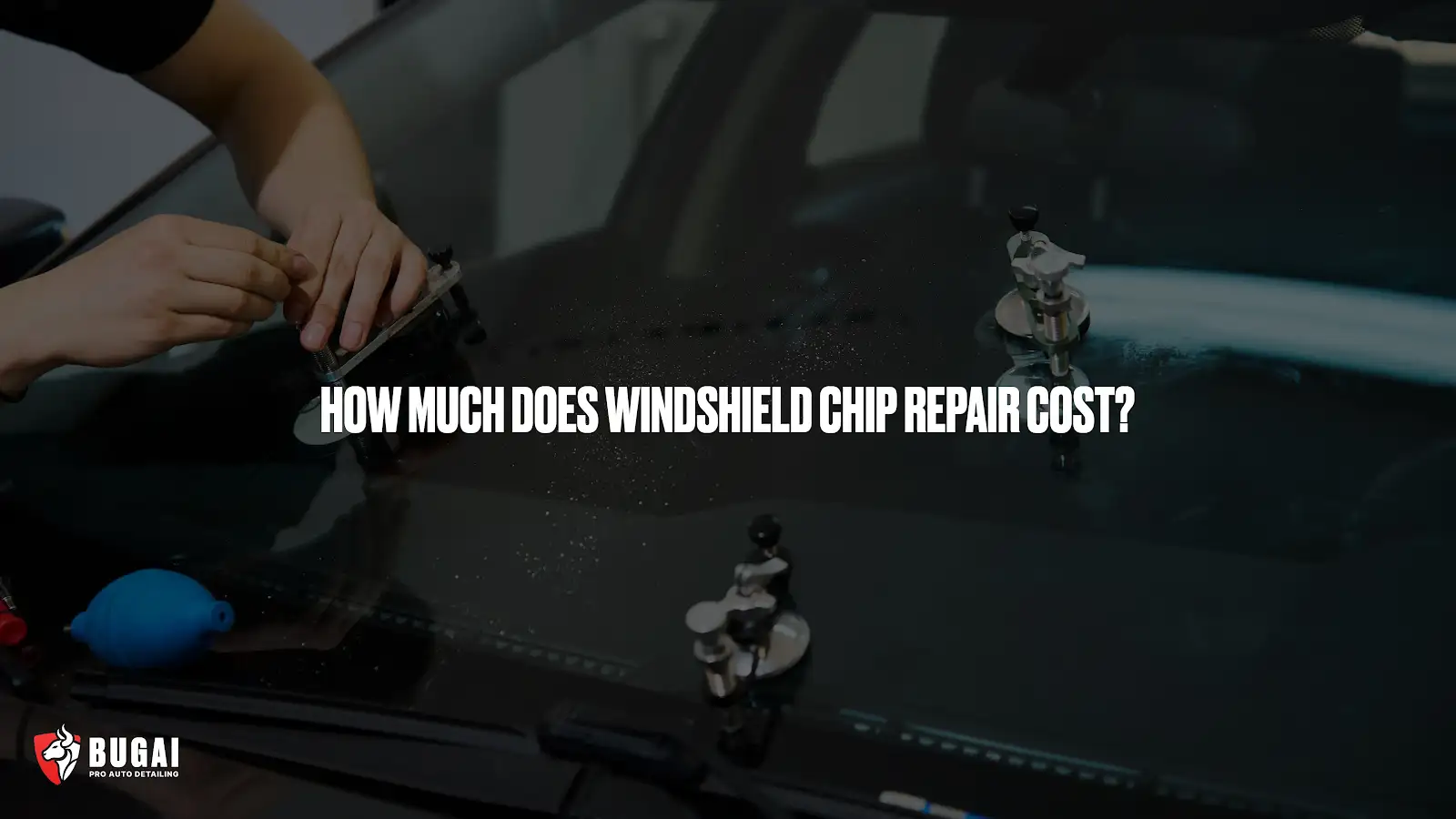
Windshield chip repair cost depends on the damage size, type, and location, the service setting, and whether insurance applies.

Windshield repair is often covered under comprehensive insurance for non-collision damage, while collision coverage may apply after a crash; the deductible and glass provisions in the actual policy control what the customer pays.


