

.svg)
Does Security Window Film Work,
and Is It Worth It?
Security film can delay entry and increase the effort or noise required, but it cannot guarantee that a determined intruder will never create an opening.


This guide provides a practical, condition-based answer to the question in the title. It explains what a technician evaluates, how the work is performed, which limitations matter, and how to compare a written recommendation. For security window film, performance comes from the complete glazing system: glass, film, adhesive, edge condition, frame, and any film-to-frame attachment. BGI Pro Auto Detailing serves Roseville and the greater Sacramento area; any price or time shown is a dated benchmark or published starting point, not a guaranteed quote without inspection.
How does security window film work?
Security window film bonds a tough polyester layer to glass so broken fragments are more likely to remain together; a compatible attachment system can help retain that filmed pane in the frame. The decision should account for polyester film, pressure-sensitive adhesive, glass-fragment retention, energy absorption, and the role of frame attachment, and avoid calling glass unbreakable. These details determine eligibility, preparation, labor, expected appearance, and the limits that should be written into the estimate or work order.
The safest recommendation is based on evidence from the actual glazing system, not a generic product claim. For security window film, performance comes from the complete glazing system: glass, film, adhesive, edge condition, frame, and any film-to-frame attachment. Document the starting condition, protect adjacent materials, and define the acceptance check before work begins. If the glazing and frame system responds differently from the test area, the method should be changed instead of forced.
According to International Window Film Association guidance, IWFA explains that properly specified film can hold broken glass together and slow an intruder, while avoiding claims that film makes glazing impenetrable. Apply that guidance only within its stated scope: product instructions govern the named product, insurance summaries do not replace a policy, and test results apply to the tested configuration. The authority supports the decision criteria; it does not turn a conditional repair, installation, or price into a universal guarantee.
For an owner, the most useful next step is to request a written scope. Confirm the included steps, exclusions, change-order triggers, estimated downtime, aftercare, and warranty. A film data sheet is useful only when it is tied to the tested glass type, frame, attachment method, specimen size, and stated standard. Record the glazing type, frame condition, edge treatment, attachment design, tested configuration, and the exact threat objective before comparing products.
Do not treat a quick online rule as a guarantee. The main risk variables are threat type, repeated impact, frame strength, installation detail, opening size, response time, code, and emergency egress. When the condition falls outside the selected method, changing the plan protects the glazing system and produces a more defensible result. BGI Pro Auto Detailing can inspect the condition at our Roseville shop and explain the appropriate scope without turning a published starting point or benchmark into a guaranteed quote.
Does window security film really prevent break-ins?
Security film can delay entry and increase the effort or noise required, but it cannot guarantee that a determined intruder will never create an opening. The decision should account for delay and deterrence rather than absolute prevention, and repeated impact, opening creation, response time, glazing type, installation, and attachment system. These details determine eligibility, preparation, labor, expected appearance, and the limits that should be written into the estimate or work order.
A reliable plan separates eligibility, procedure, expected result, and residual risk. For security window film, performance comes from the complete glazing system: glass, film, adhesive, edge condition, frame, and any film-to-frame attachment. Document the starting condition, protect adjacent materials, and define the acceptance check before work begins. If the glazing and frame system responds differently from the test area, the method should be changed instead of forced.
According to IWFA's ASTM F3561 explanation, IWFA notes that film by itself is not the complete system tested under ASTM F3561; glass, framing, and attachment configuration matter. Apply that guidance only within its stated scope: product instructions govern the named product, insurance summaries do not replace a policy, and test results apply to the tested configuration. The authority supports the decision criteria; it does not turn a conditional repair, installation, or price into a universal guarantee.
Before authorizing the work, turn the recommendation into a short checklist. Confirm the included steps, exclusions, change-order triggers, estimated downtime, aftercare, and warranty. A film data sheet is useful only when it is tied to the tested glass type, frame, attachment method, specimen size, and stated standard. Record the glazing type, frame condition, edge treatment, attachment design, tested configuration, and the exact threat objective before comparing products.
A conservative technician will explain both the likely result and the limit of the method. The main risk variables are threat type, repeated impact, frame strength, installation detail, opening size, response time, code, and emergency egress. When the condition falls outside the selected method, changing the plan protects the glazing system and produces a more defensible result.
What happens when filmed glass breaks?
The answer is determined by fragment retention and how the pane may remain in the opening. Those factors should be checked together rather than treated as isolated details. The decision should account for fragment retention and how the pane may remain in the opening, and safety performance from forced-entry performance. These details determine eligibility, preparation, labor, expected appearance, and the limits that should be written into the estimate or work order.
A professional assessment starts with the whole system, not the most obvious symptom. For security window film, performance comes from the complete glazing system: glass, film, adhesive, edge condition, frame, and any film-to-frame attachment. Document the starting condition, protect adjacent materials, and define the acceptance check before work begins. If the glazing and frame system responds differently from the test area, the method should be changed instead of forced.
According to 3M safety and security film information, 3M describes fragment retention and entry-delay benefits but expressly avoids presenting security film as bulletproof or an absolute barrier. Apply that guidance only within its stated scope: product instructions govern the named product, insurance summaries do not replace a policy, and test results apply to the tested configuration. The authority supports the decision criteria; it does not turn a conditional repair, installation, or price into a universal guarantee.
A clear estimate should make the decision easier, not hide the variables. Confirm the included steps, exclusions, change-order triggers, estimated downtime, aftercare, and warranty. A film data sheet is useful only when it is tied to the tested glass type, frame, attachment method, specimen size, and stated standard. Record the glazing type, frame condition, edge treatment, attachment design, tested configuration, and the exact threat objective before comparing products.
When safety, factory finish, glass integrity, or warranty coverage is involved, restraint is part of professional work. The main risk variables are threat type, repeated impact, frame strength, installation detail, opening size, response time, code, and emergency egress. When the condition falls outside the selected method, changing the plan protects the glazing system and produces a more defensible result.
| Factor | Why it matters |
|---|---|
| Fragment retention | Changes eligibility or the safest method |
| How the pane may remain in the opening | Changes labor, access, or preparation |
| Safety performance from forced-entry performance | Changes expected appearance or performance |
| Written scope | Changes risk, timing, or warranty scope |
How important is the film-to-frame attachment system?
The answer is determined by wet-glaze or mechanical attachment concepts, why the weakest interface matters, and why design must match the threat and frame condition. Those factors should be checked together rather than treated as isolated details. The decision should account for wet-glaze or mechanical attachment concepts, why the weakest interface matters, and why design must match the threat and frame condition. These details determine eligibility, preparation, labor, expected appearance, and the limits that should be written into the estimate or work order.
The useful distinction is between what can be seen immediately and what must be verified before work begins. For security window film, performance comes from the complete glazing system: glass, film, adhesive, edge condition, frame, and any film-to-frame attachment. Document the starting condition, protect adjacent materials, and define the acceptance check before work begins. If the glazing and frame system responds differently from the test area, the method should be changed instead of forced.
According to International Window Film Association guidance, IWFA explains that properly specified film can hold broken glass together and slow an intruder, while avoiding claims that film makes glazing impenetrable. Apply that guidance only within its stated scope: product instructions govern the named product, insurance summaries do not replace a policy, and test results apply to the tested configuration. The authority supports the decision criteria; it does not turn a conditional repair, installation, or price into a universal guarantee.
The customer can reduce surprises by confirming the decision criteria in advance. Confirm the included steps, exclusions, change-order triggers, estimated downtime, aftercare, and warranty. A film data sheet is useful only when it is tied to the tested glass type, frame, attachment method, specimen size, and stated standard. Record the glazing type, frame condition, edge treatment, attachment design, tested configuration, and the exact threat objective before comparing products.
The main red flag is certainty without inspection. The main risk variables are threat type, repeated impact, frame strength, installation detail, opening size, response time, code, and emergency egress. When the condition falls outside the selected method, changing the plan protects the glazing system and produces a more defensible result.
What types and thicknesses of security film are available?
The options differ primarily in safety, security, solar-security, clear, and tinted products. The correct choice depends on which of those differences matters for the actual condition. The decision should account for safety, security, solar-security, clear, and tinted products, and using manufacturer specifications rather than assuming thicker always solves every risk. These details determine eligibility, preparation, labor, expected appearance, and the limits that should be written into the estimate or work order.
In practice, the variables interact, so they should be evaluated in a deliberate order. For security window film, performance comes from the complete glazing system: glass, film, adhesive, edge condition, frame, and any film-to-frame attachment. Document the starting condition, protect adjacent materials, and define the acceptance check before work begins. If the glazing and frame system responds differently from the test area, the method should be changed instead of forced.
According to IWFA's ASTM F3561 explanation, IWFA notes that film by itself is not the complete system tested under ASTM F3561; glass, framing, and attachment configuration matter. Apply that guidance only within its stated scope: product instructions govern the named product, insurance summaries do not replace a policy, and test results apply to the tested configuration. The authority supports the decision criteria; it does not turn a conditional repair, installation, or price into a universal guarantee.
Quality is easier to judge when the expected result and limitations are recorded before service. Confirm the included steps, exclusions, change-order triggers, estimated downtime, aftercare, and warranty. A film data sheet is useful only when it is tied to the tested glass type, frame, attachment method, specimen size, and stated standard. Record the glazing type, frame condition, edge treatment, attachment design, tested configuration, and the exact threat objective before comparing products.
The best-value option is not necessarily the fastest or the cheapest one. The main risk variables are threat type, repeated impact, frame strength, installation detail, opening size, response time, code, and emergency egress. When the condition falls outside the selected method, changing the plan protects the glazing system and produces a more defensible result.
| Factor | Why it matters |
|---|---|
| Safety | Changes eligibility or the safest method |
| Security | Changes labor, access, or preparation |
| Solar-security | Changes expected appearance or performance |
| Clear | Changes risk, timing, or warranty scope |
| And tinted products | Requires product-specific confirmation |
| Using manufacturer specifications rather than assuming thicker... | Should be documented in the estimate |
How is security window film tested?
The answer is determined by relevant impact, fragment retention, forced-entry, blast-mitigation, and product-specific reports at a high level. Those factors should be checked together rather than treated as isolated details. The decision should account for relevant impact, fragment retention, forced-entry, blast-mitigation, and product-specific reports at a high level, and require exact standard and configuration citations. These details determine eligibility, preparation, labor, expected appearance, and the limits that should be written into the estimate or work order.
Good workmanship begins with diagnosis and a clearly defined outcome. For security window film, performance comes from the complete glazing system: glass, film, adhesive, edge condition, frame, and any film-to-frame attachment. Document the starting condition, protect adjacent materials, and define the acceptance check before work begins. If the glazing and frame system responds differently from the test area, the method should be changed instead of forced.
According to 3M safety and security film information, 3M describes fragment retention and entry-delay benefits but expressly avoids presenting security film as bulletproof or an absolute barrier. Apply that guidance only within its stated scope: product instructions govern the named product, insurance summaries do not replace a policy, and test results apply to the tested configuration. The authority supports the decision criteria; it does not turn a conditional repair, installation, or price into a universal guarantee.
For an owner, the most useful next step is to request a written scope. Confirm the included steps, exclusions, change-order triggers, estimated downtime, aftercare, and warranty. A film data sheet is useful only when it is tied to the tested glass type, frame, attachment method, specimen size, and stated standard. Record the glazing type, frame condition, edge treatment, attachment design, tested configuration, and the exact threat objective before comparing products.
Do not treat a quick online rule as a guarantee. The main risk variables are threat type, repeated impact, frame strength, installation detail, opening size, response time, code, and emergency egress. When the condition falls outside the selected method, changing the plan protects the glazing system and produces a more defensible result.
What are the limitations of security window film?
The answer is determined by frame failure, edge gaps, incompatible glass, installation defects, optical changes, emergency egress, warranty conditions, and unrealistic marketing claims. Those factors should be checked together rather than treated as isolated details. The decision should account for frame failure, edge gaps, incompatible glass, installation defects, optical changes, emergency egress, warranty conditions, and unrealistic marketing claims. These details determine eligibility, preparation, labor, expected appearance, and the limits that should be written into the estimate or work order.
The safest recommendation is based on evidence from the actual glazing system, not a generic product claim. For security window film, performance comes from the complete glazing system: glass, film, adhesive, edge condition, frame, and any film-to-frame attachment. Document the starting condition, protect adjacent materials, and define the acceptance check before work begins. If the glazing and frame system responds differently from the test area, the method should be changed instead of forced.
According to International Window Film Association guidance, IWFA explains that properly specified film can hold broken glass together and slow an intruder, while avoiding claims that film makes glazing impenetrable. Apply that guidance only within its stated scope: product instructions govern the named product, insurance summaries do not replace a policy, and test results apply to the tested configuration. The authority supports the decision criteria; it does not turn a conditional repair, installation, or price into a universal guarantee.
Before authorizing the work, turn the recommendation into a short checklist. Confirm the included steps, exclusions, change-order triggers, estimated downtime, aftercare, and warranty. A film data sheet is useful only when it is tied to the tested glass type, frame, attachment method, specimen size, and stated standard. Record the glazing type, frame condition, edge treatment, attachment design, tested configuration, and the exact threat objective before comparing products.
A conservative technician will explain both the likely result and the limit of the method. The main risk variables are threat type, repeated impact, frame strength, installation detail, opening size, response time, code, and emergency egress. When the condition falls outside the selected method, changing the plan protects the glazing system and produces a more defensible result.
Is security window film worth it for a home or business?
It may, but the result is conditional. The immediate considerations are risk-based framework covering exposure, occupancy, inventory, response time, budget, existing glazing, and alternative controls, while threat type, repeated impact, frame strength, installation detail, opening size, response time, code, and emergency egress can change the final outcome. The decision should account for a risk-based framework covering exposure, occupancy, inventory, response time, budget, existing glazing, and alternative controls. These details determine eligibility, preparation, labor, expected appearance, and the limits that should be written into the estimate or work order.
A reliable plan separates eligibility, procedure, expected result, and residual risk. For security window film, performance comes from the complete glazing system: glass, film, adhesive, edge condition, frame, and any film-to-frame attachment. Document the starting condition, protect adjacent materials, and define the acceptance check before work begins. If the glazing and frame system responds differently from the test area, the method should be changed instead of forced.
According to IWFA's ASTM F3561 explanation, IWFA notes that film by itself is not the complete system tested under ASTM F3561; glass, framing, and attachment configuration matter. Apply that guidance only within its stated scope: product instructions govern the named product, insurance summaries do not replace a policy, and test results apply to the tested configuration. The authority supports the decision criteria; it does not turn a conditional repair, installation, or price into a universal guarantee.
A clear estimate should make the decision easier, not hide the variables. Confirm the included steps, exclusions, change-order triggers, estimated downtime, aftercare, and warranty. A film data sheet is useful only when it is tied to the tested glass type, frame, attachment method, specimen size, and stated standard. Record the glazing type, frame condition, edge treatment, attachment design, tested configuration, and the exact threat objective before comparing products.
When safety, factory finish, glass integrity, or warranty coverage is involved, restraint is part of professional work. The main risk variables are threat type, repeated impact, frame strength, installation detail, opening size, response time, code, and emergency egress. When the condition falls outside the selected method, changing the plan protects the glazing system and produces a more defensible result.
What should a professional security-film assessment include?
A useful checklist covers glass and frame type, dimensions, edge condition, threat objective, attachment, code and egress considerations, samples, warranty, and installer credentials. It should be recorded clearly enough for the customer to compare scope and risk. The decision should account for a checklist for glass and frame type, dimensions, edge condition, threat objective, attachment, code and egress considerations, samples, warranty, and installer credentials. These details determine eligibility, preparation, labor, expected appearance, and the limits that should be written into the estimate or work order.
A professional assessment starts with the whole system, not the most obvious symptom. For security window film, performance comes from the complete glazing system: glass, film, adhesive, edge condition, frame, and any film-to-frame attachment. Document the starting condition, protect adjacent materials, and define the acceptance check before work begins. If the glazing and frame system responds differently from the test area, the method should be changed instead of forced.
According to 3M safety and security film information, 3M describes fragment retention and entry-delay benefits but expressly avoids presenting security film as bulletproof or an absolute barrier. Apply that guidance only within its stated scope: product instructions govern the named product, insurance summaries do not replace a policy, and test results apply to the tested configuration. The authority supports the decision criteria; it does not turn a conditional repair, installation, or price into a universal guarantee.
The customer can reduce surprises by confirming the decision criteria in advance. Confirm the included steps, exclusions, change-order triggers, estimated downtime, aftercare, and warranty. A film data sheet is useful only when it is tied to the tested glass type, frame, attachment method, specimen size, and stated standard. Record the glazing type, frame condition, edge treatment, attachment design, tested configuration, and the exact threat objective before comparing products.
The main red flag is certainty without inspection. The main risk variables are threat type, repeated impact, frame strength, installation detail, opening size, response time, code, and emergency egress. When the condition falls outside the selected method, changing the plan protects the glazing system and produces a more defensible result.
- Review the checklist for glass before committing to the method.
- Include Frame type in the written scope.
- Monitor Dimensions during the work.
- Use Edge condition in the final acceptance check.
What is the bottom line on whether security window film works?
The bottom line is to match the method to the actual condition, verify the result, and use a qualified technician when the risk cannot be controlled confidently. The decision should account for that properly specified film can improve fragment retention and delay entry but cannot guarantee prevention, and summarize next-step assessment criteria. These details determine eligibility, preparation, labor, expected appearance, and the limits that should be written into the estimate or work order.
The useful distinction is between what can be seen immediately and what must be verified before work begins. For security window film, performance comes from the complete glazing system: glass, film, adhesive, edge condition, frame, and any film-to-frame attachment. Document the starting condition, protect adjacent materials, and define the acceptance check before work begins. If the glazing and frame system responds differently from the test area, the method should be changed instead of forced.
According to International Window Film Association guidance, IWFA explains that properly specified film can hold broken glass together and slow an intruder, while avoiding claims that film makes glazing impenetrable. Apply that guidance only within its stated scope: product instructions govern the named product, insurance summaries do not replace a policy, and test results apply to the tested configuration. The authority supports the decision criteria; it does not turn a conditional repair, installation, or price into a universal guarantee.
Quality is easier to judge when the expected result and limitations are recorded before service. Confirm the included steps, exclusions, change-order triggers, estimated downtime, aftercare, and warranty. A film data sheet is useful only when it is tied to the tested glass type, frame, attachment method, specimen size, and stated standard. Record the glazing type, frame condition, edge treatment, attachment design, tested configuration, and the exact threat objective before comparing products.
The best-value option is not necessarily the fastest or the cheapest one. The main risk variables are threat type, repeated impact, frame strength, installation detail, opening size, response time, code, and emergency egress. When the condition falls outside the selected method, changing the plan protects the glazing system and produces a more defensible result. BGI Pro Auto Detailing can inspect the condition at our Roseville shop and explain the appropriate scope without turning a published starting point or benchmark into a guaranteed quote.
- Verify That properly specified film can improve fragment retention before committing to the method.
- Include Delay entry but cannot guarantee prevention in the written scope.
- Review the next-step assessment criteria before approving the installation.
- Use the written scope in the final acceptance check.
Security film can delay entry and increase the effort or noise required, but it cannot guarantee that a determined intruder will never create an opening.
A written inspection-based estimate is more reliable than a single advertised average.
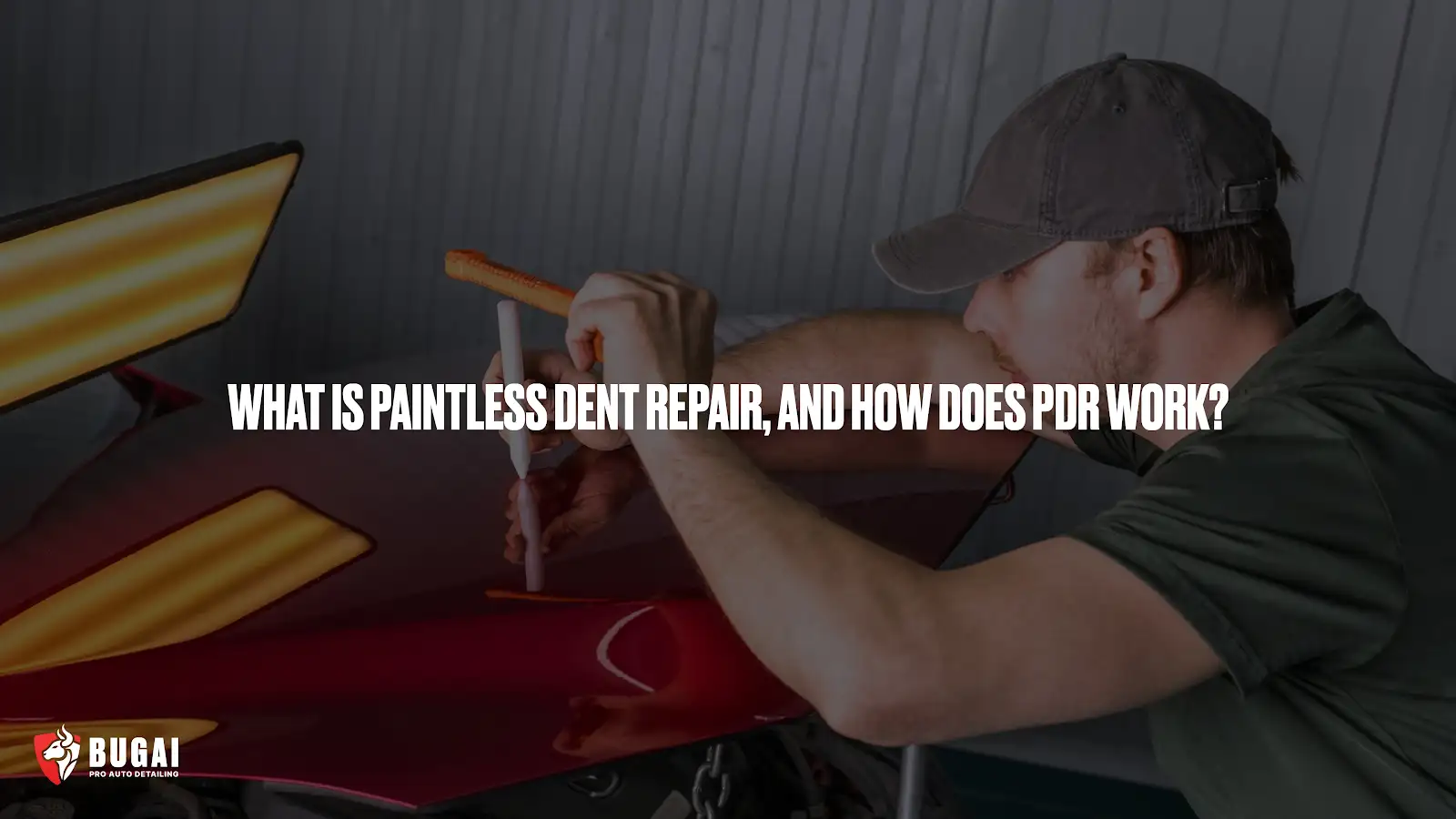
Paintless dent repair, or PDR, is a method of reshaping a dented metal panel without conventional body filler and repainting when the existing finish remains suitable.


